Surfing in Santa Catalina, Panama
La Punta, Playa Estero & the Best Waves in Central America
Why Surfers Keep Coming Back to Santa Catalina
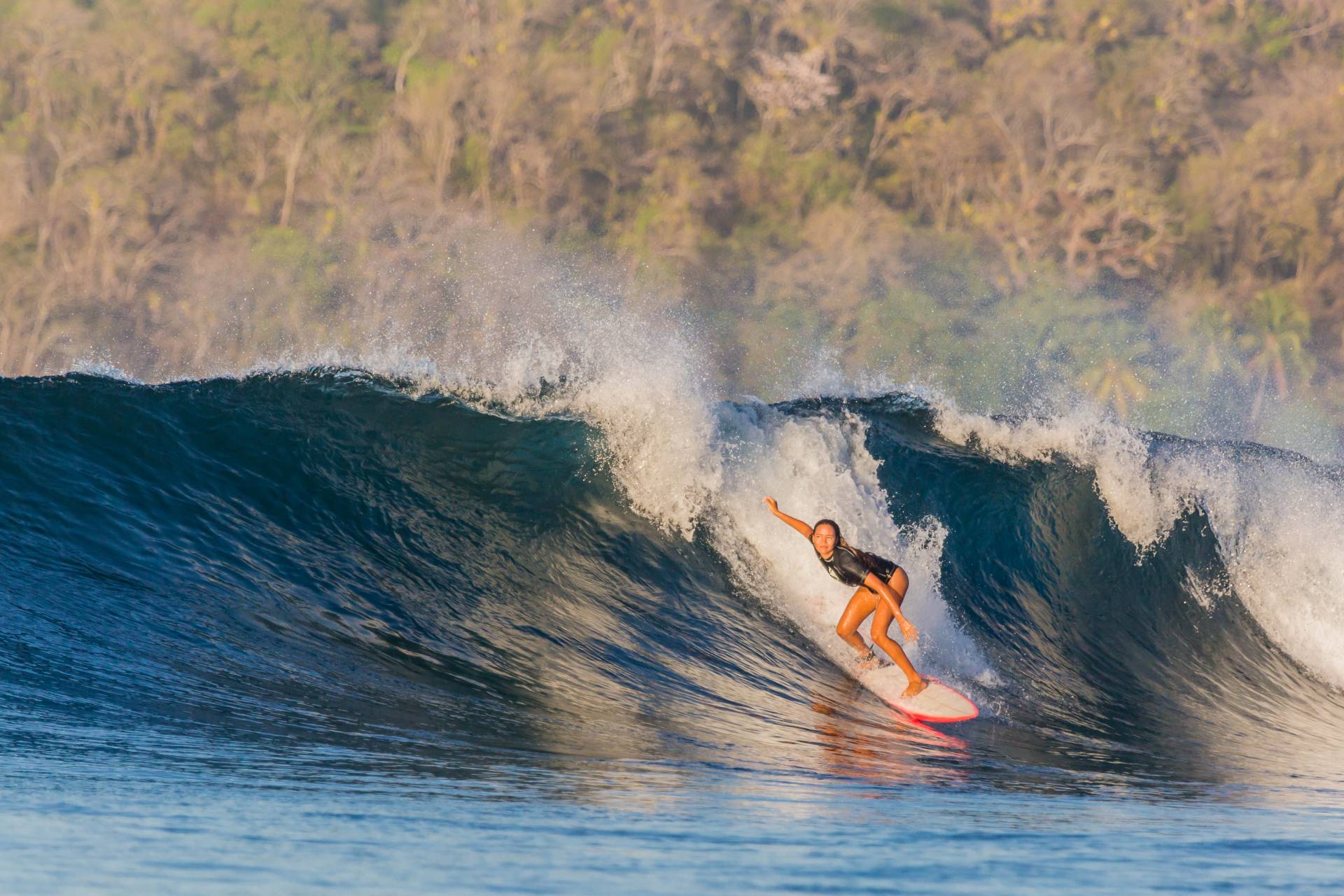 Santa Catalina, Panama occupies a specific place in the mental map of serious surfers – one of those destinations that gets passed between people who actually surf rather than ones who write about it. The waves are real, the crowds are minimal, and La Punta, the village’s famous right-hand point break, is capable of producing rides that stand up against point breaks anywhere in the world.
What makes surfing in Santa Catalina genuinely special is the range. La Punta challenges advanced surfers with fast, powerful walls and long rides over a reef bottom. Playa Estero gives beginners a wide, forgiving sandy beach break that is one of the best places in Central America to learn. And El Banco – accessible by boat and known mainly through word of mouth – offers heavy, hollow waves for surfers who want a real test.
Add year-round warm water, a village that runs on surf culture without being overrun by it, and Coiba National Park on your rest days, and it becomes clear why Santa Catalina has earned its reputation as the best surf destination in Panama.
La Punta – Santa Catalina’s World-Class Right-Hand Point Break
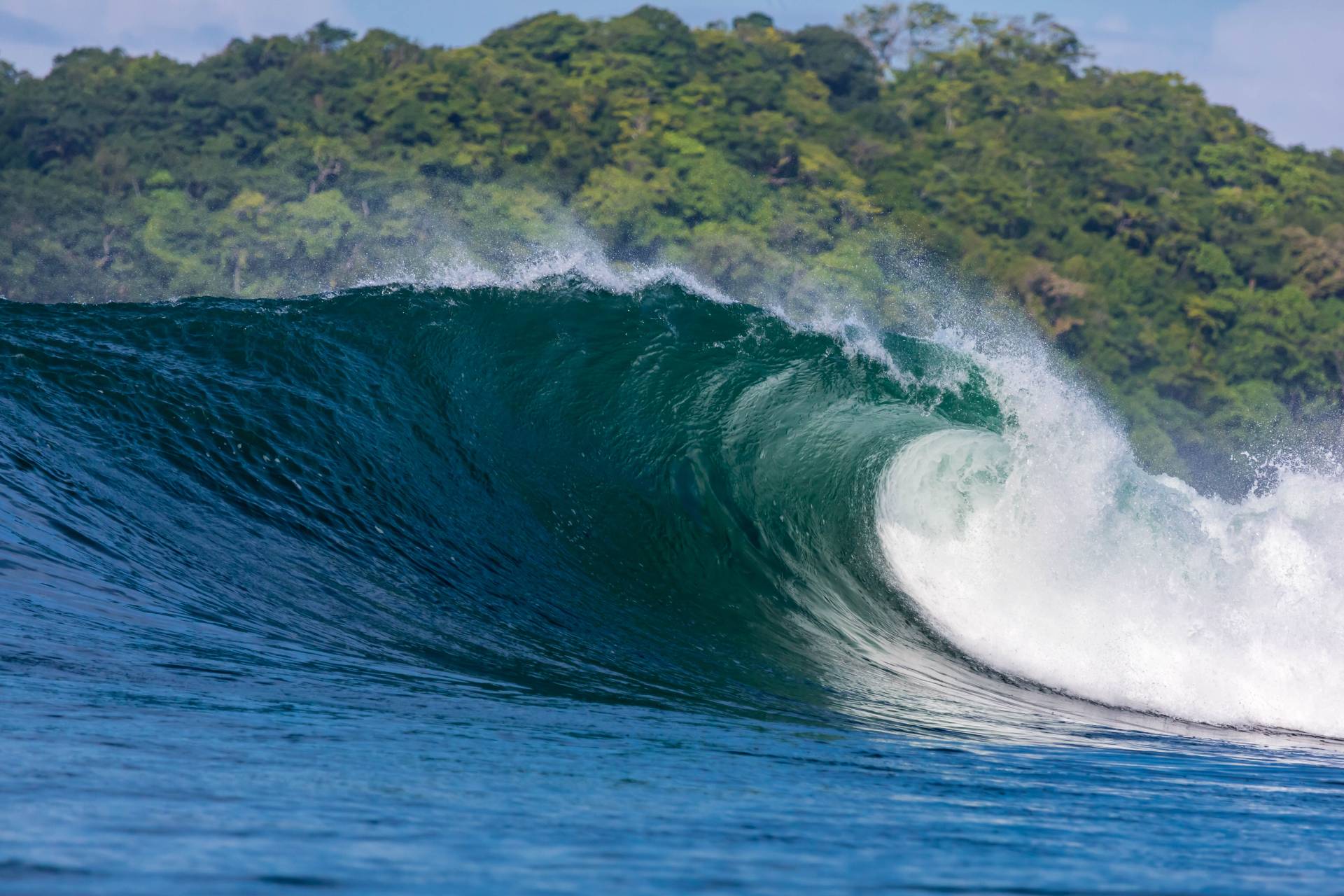 La Punta is the reason most serious surfers make the trip. Located steps from the village – you can hear it from the street – it is a right-hand point break that peels off a rocky reef with a consistency and length that is rare anywhere in Central America. On a solid south or southwest swell, rides at La Punta can run for several hundred metres, offering the kind of sustained, high-quality wall that most surfers only experience a handful of times in their lives.
The wave breaks over a reef bottom and works best at mid to high tide. On smaller days it offers long, workable walls ideal for practising turns and generating speed through sections. On bigger swells – most reliably during the green season from May through November – La Punta transforms into a fast, powerful, demanding wave that rewards precise positioning and confident surfing. Sections can be critical and the reef is shallow in places, so this is not a wave to take lightly on its bigger days.
La Punta also produces a left under certain swell and tide combinations, though the right is the defining wave of the break and the one that put Santa Catalina on the map.
- Break type: Right-hand point break (left also available under certain conditions)
- Bottom: Reef
- Best tide: Mid to high
- Best swell direction: South and southwest, 3-8 ft+
- Peak season: May-November (green season)
- Level: Intermediate to advanced
- Location: Steps from the village centre
Playa Estero – The Best Beach for Surf Lessons in Santa Catalina
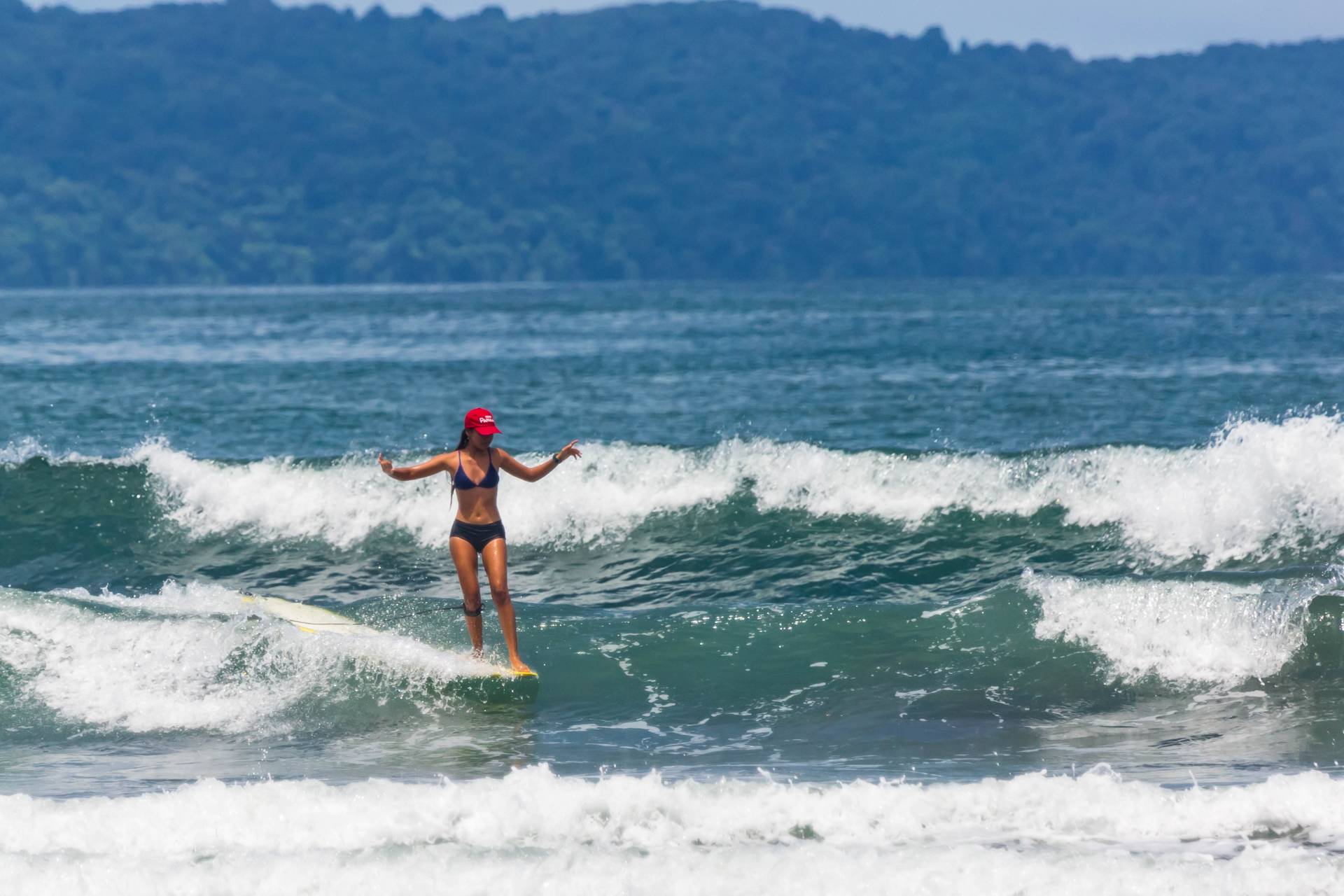
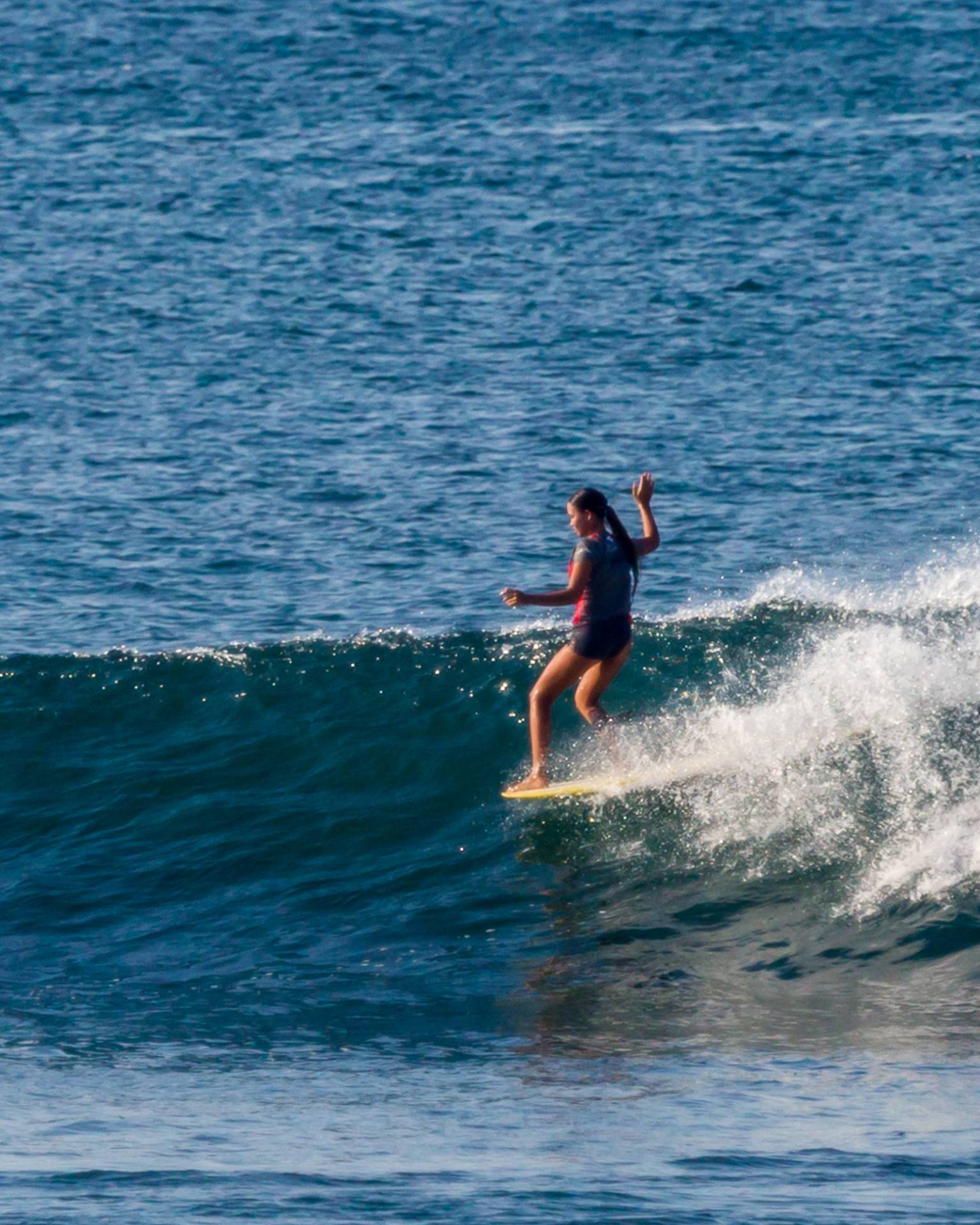 Playa Estero is a short walk from the village and serves as the primary learning ground for first-time surfers visiting Santa Catalina. A wide stretch of beach with a sandy bottom and a forgiving beach break, it gives beginners the time and space to find their feet without the intimidation of reef, rocks, or experienced surfers bearing down on them.
On small to medium swells, Playa Estero produces gentle rolling waves in the 1-3 foot range that are ideal for learning to paddle, pop up, and ride a wave to shore. The sandy bottom means falls are forgiving and wipeouts are far less consequential than at a reef break. Most surf schools and instructors in Santa Catalina run their beginner lessons here – it is one of the best beginner surf beaches on Panama’s Pacific coast.
On bigger green season swells, Playa Estero shifts character. The beach break produces punchy, hollow peaks that intermediate and advanced surfers enjoy – a different wave to La Punta, but a fun and useful one when the point is too big or too crowded for progression work.
- Break type: Beach break
- Bottom: Sand – safe and forgiving for all levels
- Best tide: All tides
- Best swell: 1-4 ft for beginners; handles larger swells in green season
- Level: All levels – the primary beach for lessons and progression
- Location: Short walk from the village
El Banco – The Expert’s Wave
 El Banco is the wave that doesn’t appear in most tourist guides and that advanced surfers find out about through other surfers. Accessible only by a short boat ride from the village, it breaks over a shallow reef with a heaviness and speed that immediately separates it from La Punta. This is a hollow, fast, demanding wave – the kind that closes out on the unprepared and rewards those who can read it correctly with some of the most exhilarating surfing in Panama.
Tube riding is the primary draw at El Banco. On the right swell, the wave pitches quickly and offers genuine barrel opportunities for surfers with the experience to position correctly and hold their line. The shallow reef means the margin for error is small, and this is emphatically not a wave to paddle out at without prior local knowledge or a guide who knows the break.
The best approach: spend several days at La Punta first, read conditions with a local guide, and only consider El Banco when you have a clear picture of the swell, the tide, and your own ability. When everything aligns, it is one of the most memorable waves on the Pacific coast of Central America.
- Break type: Hollow reef break
- Bottom: Shallow reef
- Access: Boat only – short ride from the village
- Level: Advanced only – tube riding experience required
- Best conditions: Green season swells; local knowledge essential before paddling out
Santa Catalina’s Three Surf Breaks at a Glance
| Break | Type | Bottom | Best Tide | Level | Access |
|---|---|---|---|---|---|
| La Punta | Right-hand point | Reef | Mid-high | Intermediate-Advanced | Walk from village |
| Playa Estero | Beach break | Sand | All tides | All levels | Short walk |
| El Banco | Hollow reef | Shallow reef | Mid tide | Advanced only | Boat only |
Year-Round Surf Conditions & Seasonal Guide
One of the strongest arguments for choosing Santa Catalina over other Central American surf destinations is that it produces quality waves in both seasons – just with a different character in each.
Green Season (May-November) – Prime Surf Season
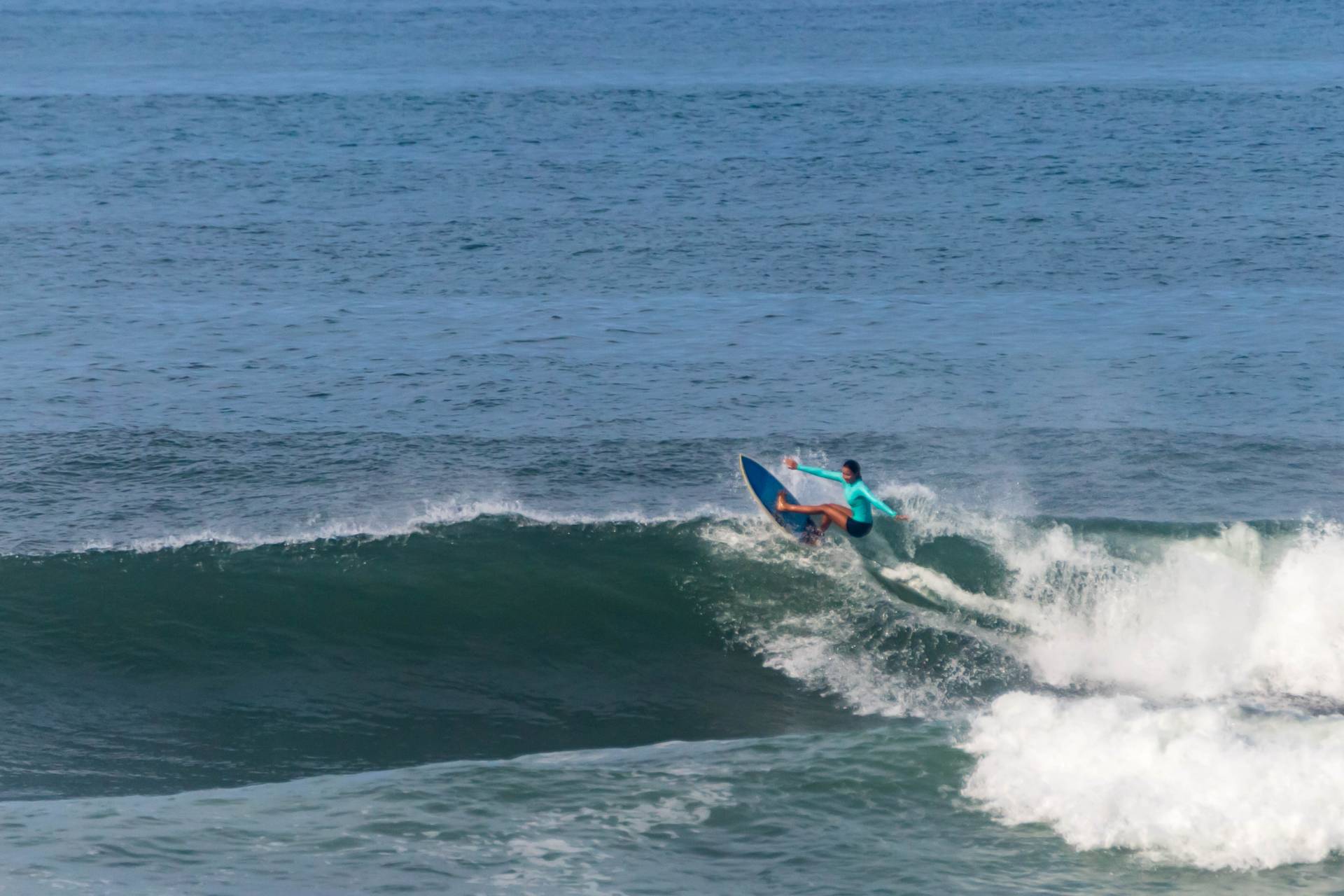 The green season is when La Punta fires most consistently and most powerfully. South and southwest swells generated in the Southern Hemisphere push through the Pacific during these months, producing waves in the 4-8 foot range at the point – and occasionally larger on the biggest swells of the year. The wave is at its most demanding and its most rewarding during this window.
Rain arrives in short afternoon or evening bursts rather than all-day downpours. The classic pattern: a glass-off morning session at La Punta, a midday rain while you eat lunch, then clearing by mid-afternoon for a second session. The village is quieter, prices are lower, and the lineups are thinner. For intermediate and advanced surfers, this is the season to plan around.
- Most consistent and powerful surf of the year at La Punta
- South and southwest swells, 4-8 ft regularly
- El Banco viable on the right swells
- Fewer crowds, lower accommodation prices
- Morning glass-offs are the best sessions of the day
Dry Season (December-April) – Smaller, Cleaner Waves
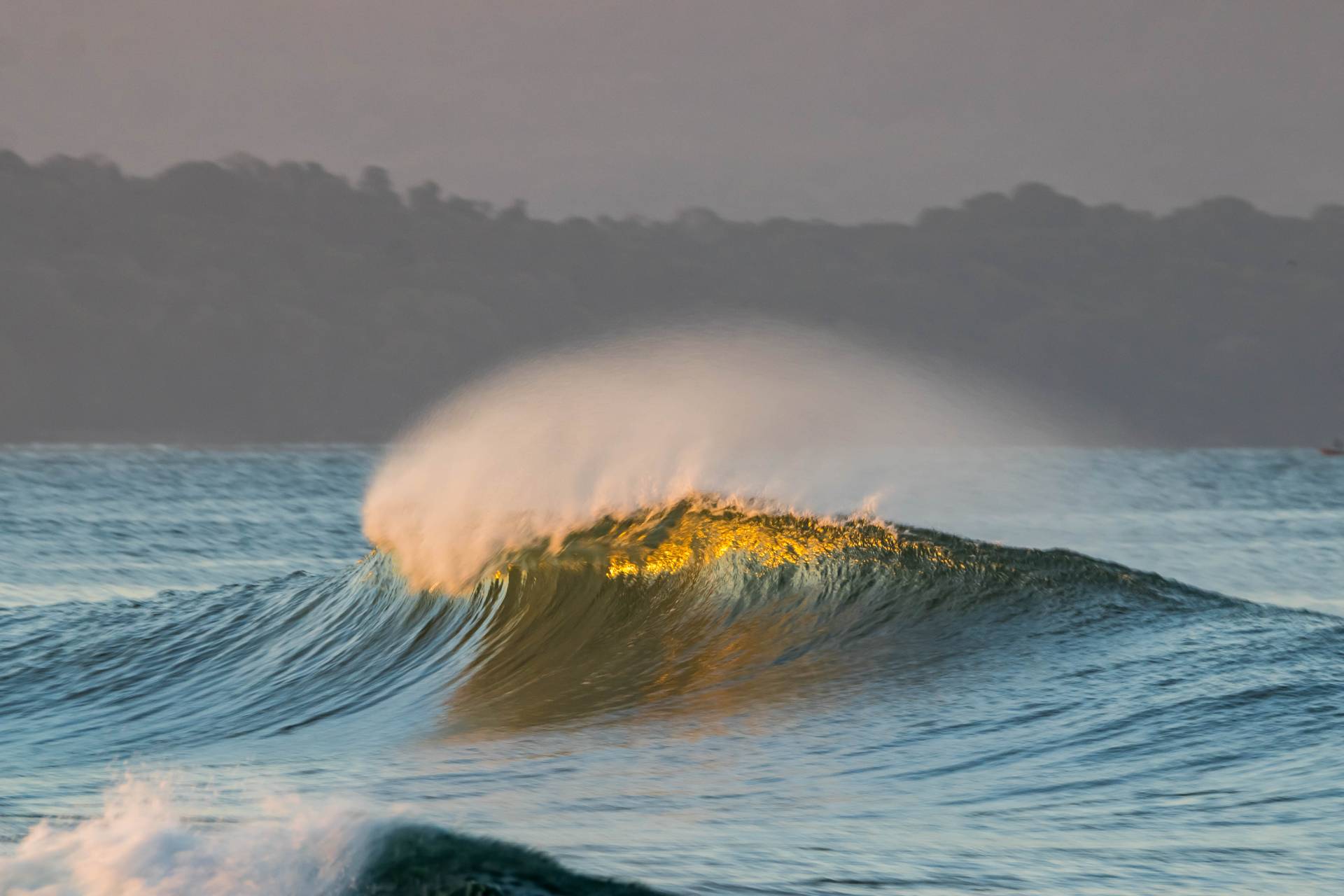 The dry season brings smaller, cleaner surf with offshore winds that groom the waves into tidy, workable conditions. Waves at La Punta in the 2-4 foot range are typical, and while the power is reduced, the quality makes it excellent for progression – practising turns, improving positioning, building the muscle memory that bigger surf later demands.
For beginners and early intermediates, the dry season is arguably the better window. Playa Estero is at its most manageable, La Punta is approachable for surfers stepping up from beach break, and the clear skies make every session feel rewarding. The trade-off: this is peak tourist season – the village is busier and the lineup at La Punta has more people in it.
- Cleaner, offshore-groomed surf – 2-4 ft at La Punta
- Best for beginners, improvers, and surf-and-dive combination trips
- Playa Estero at its most forgiving and consistent
- Peak season – book accommodation well in advance
| Season | Months | Wave Size (La Punta) | Best For | Crowd Level |
|---|---|---|---|---|
| Green Season | May-November | 4-8 ft (larger possible) | Intermediate-advanced, maximum progression | Low – quieter village |
| Dry Season | December-April | 2-4 ft (clean, offshore) | Beginners, improvers, surf & dive trips | High – book ahead |
| Shoulder | April & November | 3-5 ft variable | All levels – best value window | Medium |
Surf Schools, Board Rentals & Local Guides
Santa Catalina has a well-established network of surf schools, instructors, and board rental shops that have grown up alongside the village’s surf reputation. The infrastructure is in place and the quality is generally high – whatever your level, you can find the right support for your sessions.
Surf Lessons
Beginner lessons run primarily at Playa Estero in small groups of 4-6 students per instructor. Sessions cover ocean safety, surf etiquette, paddling technique, the pop-up, and wave selection. Most first-timers are standing and riding small waves independently within two or three sessions. Intermediate coaching sessions move between Playa Estero and La Punta depending on conditions and the student’s level, with video analysis available through most operators.
Board Rentals
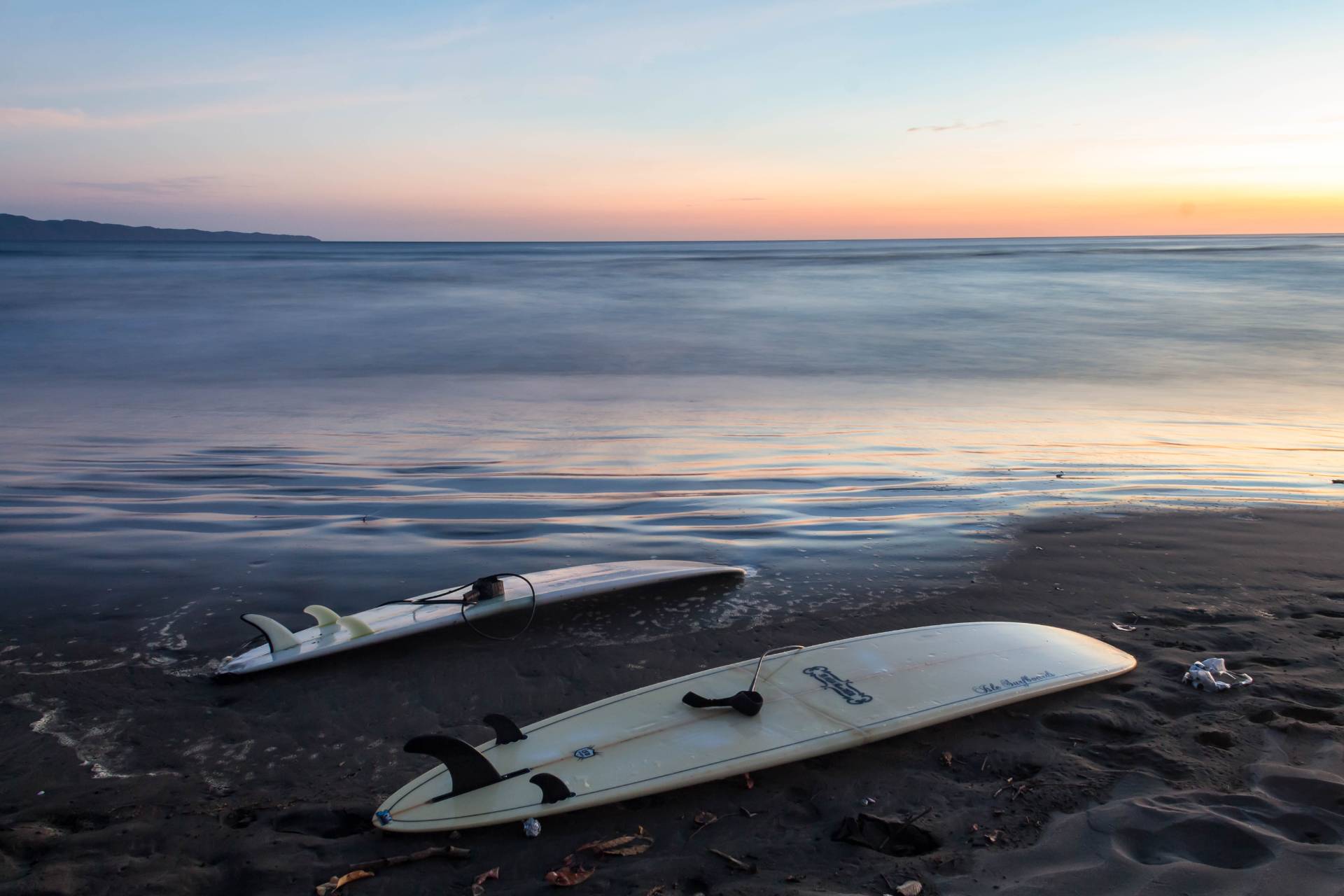 Rental shops and hotel quivers in Santa Catalina carry boards suited to every break – longer, more buoyant boards for Playa Estero beginners, and performance shortboards for La Punta regulars. Renting locally makes sense for most visitors: the boards are appropriate for the conditions and rental staff can advise on what to ride given the current swell. There’s no need to travel with a board bag.
Local Surf Guides
For intermediate and advanced surfers visiting for the first time, hiring a local guide for the first day or two pays real dividends. Local guides know the tides at La Punta, can read a swell forecast and translate it into specific advice, and can introduce you to El Banco safely when conditions and your ability make it appropriate. The investment is modest; the return in quality sessions is significant.
Surf Etiquette at La Punta
La Punta has an established community of regular surfers – locals, expats, and long-term visitors who know the break well. The lineup is generally welcoming to visitors who demonstrate basic etiquette and respect for the rules that keep sessions enjoyable for everyone.
- Right of way goes to the surfer closest to the peak – do not drop in
- Paddle around the break, not through the lineup
- Communicate clearly: a simple “Go!” prevents collisions on shared peaks
- Don’t snake – repeatedly paddling around others to gain priority is not acceptable
- Give respect, get respect – acknowledge good waves and you’ll be treated in kind
- If you’re unsure of your level, start at Playa Estero and build up to La Punta gradually
Santa Catalina vs Other Central American Surf Destinations
Santa Catalina sits in a specific position in the Central American surf landscape – not as famous as some spots in Costa Rica or El Salvador, but producing better and more consistent waves than most, in an environment that hasn’t been transformed by the surf industry into something generic.
| Destination | Wave Quality | Crowds | Best For |
|---|---|---|---|
| Santa Catalina, Panama | World-class point break + beach break | Low-medium | Serious surfers: quality + uncrowded |
| Tamarindo, Costa Rica | Consistent beach breaks | Very high | Beginners, resort package surf |
| Santa Teresa, Costa Rica | Good beach + reef breaks | High | All levels, social scene |
| El Tunco, El Salvador | Consistent beach break | Medium-high | Beginners-intermediate |
| Bocas del Toro, Panama | Reef breaks, less consistent | Low | Caribbean adventurers |
The honest summary: if you want the best wave-to-crowd ratio at a genuine point break in Central America, Santa Catalina is the answer. Other destinations may offer more infrastructure or nightlife – Santa Catalina offers the better wave.
Practical Tips for Surfing in Santa Catalina
- Check tide times before every session at La Punta – the wave changes significantly between low and high
- Bring reef booties if your feet are sensitive – the reef at La Punta is sharp
- Use reef-safe sunscreen only – standard sunscreen damages the marine ecosystems near Coiba
- Carry cash – board rentals and lessons are typically cash-only
- Arrive early for the morning glass-off at La Punta – sunrise to 9am is typically the best window
- Give yourself at least 5-7 nights – swell is variable and you want enough sessions to find your rhythm
- Consult a local guide before paddling out at El Banco for the first time
- Book accommodation in advance during December-April – the best places fill early
Plan Your Surf Trip to Santa Catalina, Panama
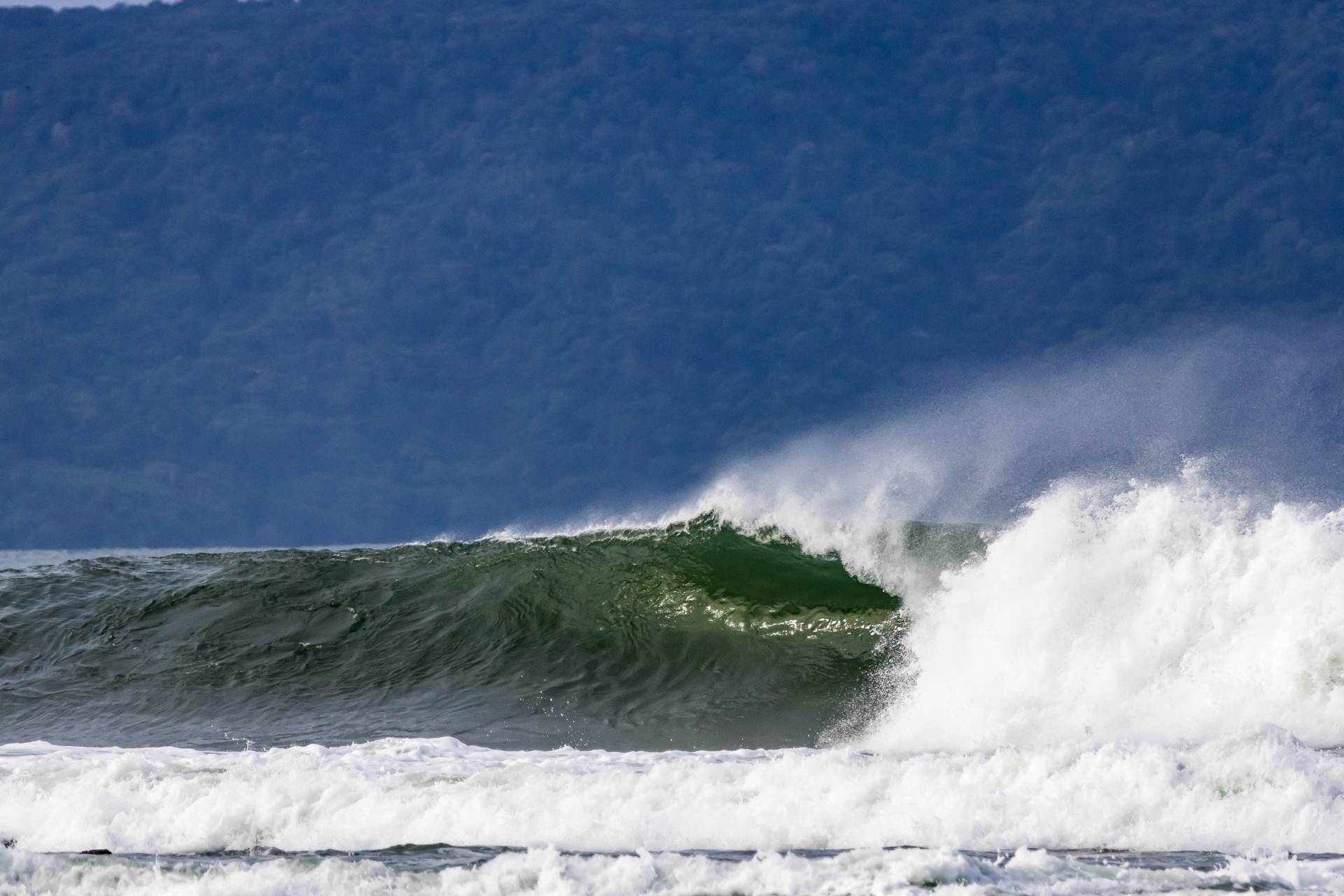 Surfing in Santa Catalina delivers something increasingly rare: a world-class wave in an uncrowded, authentic destination where the surfing is the point and everything else is secondary. La Punta will reward you for making the journey. Playa Estero will give you the foundation to build on. El Banco will test everything you have.
Whether you’re planning your first lesson or your hundredth trip to a new break, Santa Catalina, Panama belongs on your list. Start planning today – the waves are already there.