Scuba Diving in Santa Catalina, Panama
Your Gateway to Coiba’s World-Class Dive Sites in the Eastern Pacific
Why Santa Catalina Is a Top Scuba Diving Destination in Central America
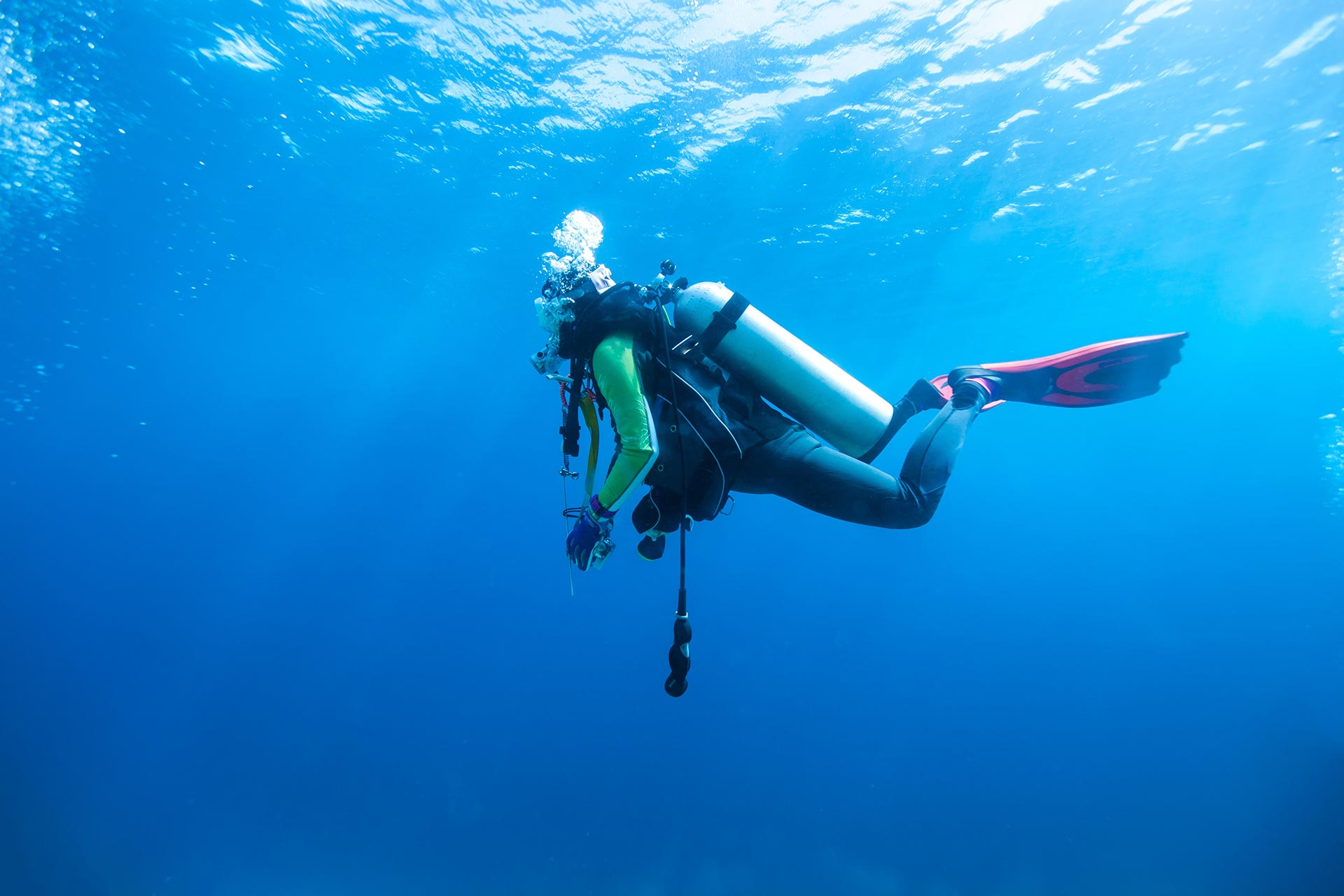 Scuba diving in Santa Catalina, Panama is not just good-it is among the best in the entire Eastern Pacific. The reason comes down to geography: the village sits at the edge of the Gulf of Chiriquí, within a short boat ride of Coiba National Park, a UNESCO World Heritage Site that protects one of the largest and most biologically intact marine ecosystems in Central America.
Because Coiba Island served as a remote penal colony for much of the 20th century, development was strictly limited for decades. The result is an underwater environment that never experienced the commercial fishing pressure, runoff, or reef degradation that has affected so many Pacific dive destinations. The coral is healthy, the fish populations are extraordinary, and the large pelagic species-whale sharks, hammerhead sharks, manta rays, and dolphins-show up with a regularity that experienced divers find genuinely remarkable.
For divers looking to combine a world-class underwater experience with an authentic, uncrowded destination, Santa Catalina is one of the most compelling answers on the map.
Marine Life: What You Can Expect to See
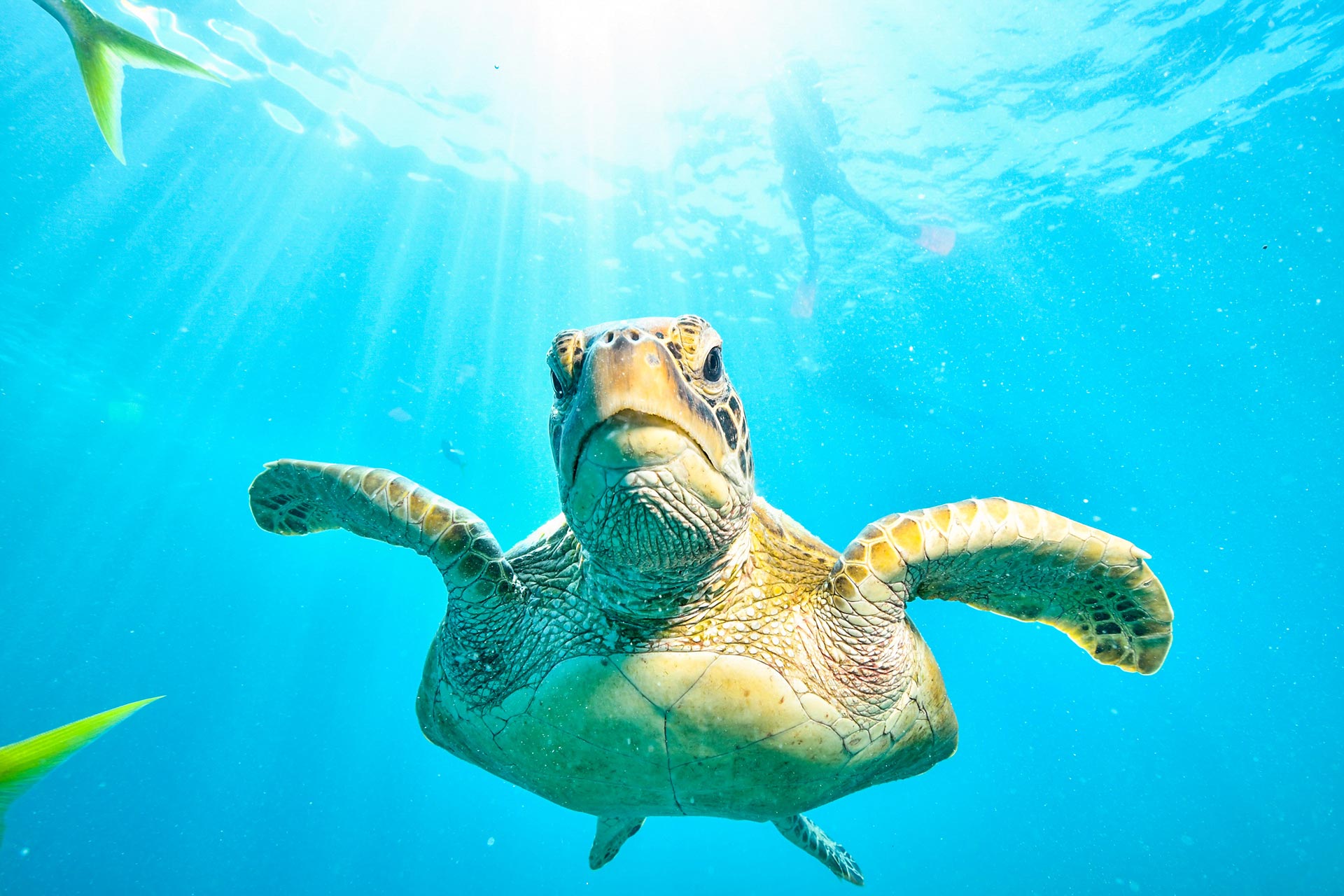 The nutrient-rich currents of the Gulf of Chiriquí create exceptional conditions for marine biodiversity at every depth. Whether you’re on a shallow reef at 10 metres or a deep-water wall at 30 metres, the life around Coiba’s dive sites is extraordinary in its variety and density.
- Whale sharks – seasonal (July-October), among the most reliable sightings in Panama
- Scalloped hammerhead sharks – present year-round, spectacular in large schools at Bajo Piñon
- Whitetip and blacktip reef sharks – common at most dive sites
- Manta rays and eagle rays – frequent encounters, especially on incoming tides
- Sea turtles – hawksbill and green turtles at reef sites year-round
- Dolphins – spotted on almost every boat trip to Coiba
- Massive schools of jacks, snappers, and barracuda
- Colourful reef fish, nudibranchs, and macro life at shallower sites
Top Dive Sites Near Santa Catalina
The dive sites around Coiba National Park range from calm, shallow reefs accessible to first-time divers to powerful drift dives and deep-water walls that challenge experienced professionals. Here are the sites that define diving in Santa Catalina:
Granito de Oro – The Most Beautiful Dive in Panama
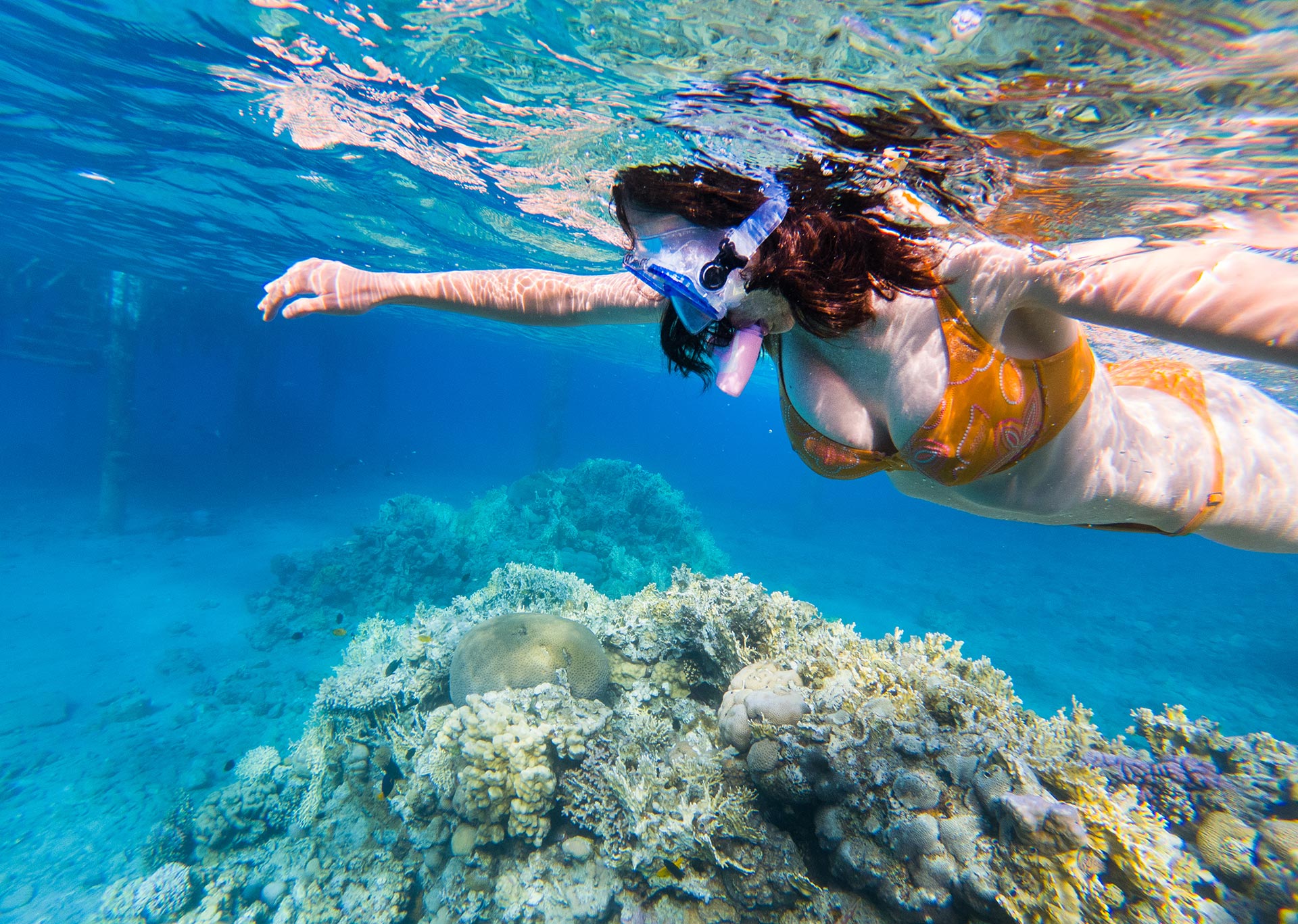 Granito de Oro-a small, uninhabited island surrounded by a pristine fringing reef-is widely regarded as the most visually stunning dive site in Panama, and one of the finest in Central America. Above the water, the island is postcard-perfect: powdery white sand, turquoise shallows, and nothing else. Below the surface, the reef is alive with colour and movement in a way that feels almost theatrical.
Depths range from 3 to 18 metres, making Granito de Oro accessible to beginners and certified divers alike. Visibility regularly reaches 20-25 metres during the dry season. Divers can expect to encounter large sea turtles resting on the reef, schools of colourful reef fish, white-tip reef sharks patrolling the sandy bottom, and the occasional eagle ray gliding overhead. The site also offers excellent snorkelling in the shallows for non-divers on the same boat.
- Depth: 3-18 metres
- Visibility: 20-25m (dry season), 15-20m (green season)
- Level: All levels including beginners
- Highlights: Sea turtles, reef sharks, eagle rays, dense reef fish
Bajo Piñon – Where the Big Stuff Happens
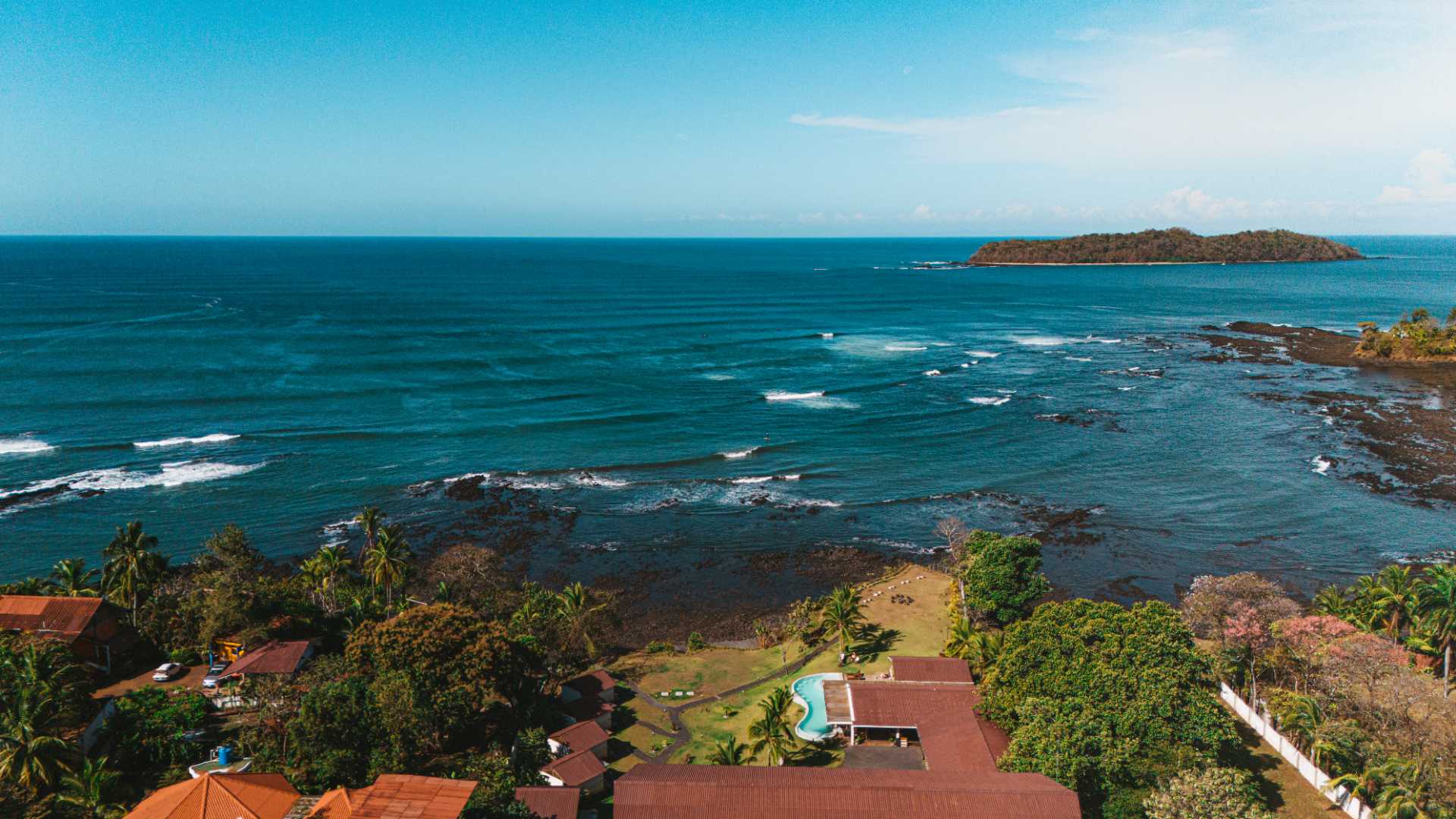 Bajo Piñon is a seamount rising from deep water into the mid-water column, and it is the most exhilarating dive in the Santa Catalina area for experienced divers. Strong currents sweep nutrient-rich water up from depth, which attracts exactly the kind of large pelagic species that go on every serious diver’s bucket list.
Scalloped hammerhead sharks are the headline attraction. Schools of hammerheads-sometimes numbering in the dozens-circle the seamount in the blue water beyond the reef edge, and encounters at 20-30 metres are not uncommon. Alongside the hammerheads, Bajo Piñon regularly produces sightings of manta rays, whale sharks (in season), large bull sharks, and massive aggregations of jacks and barracuda.
The currents that make Bajo Piñon so productive also make it demanding. This is an advanced dive site requiring good buoyancy control, comfort in open-water conditions, and ideally some drift diving experience. Your dive operator will assess conditions on the day and advise whether Bajo Piñon is appropriate for your group.
- Depth: 15-35 metres
- Visibility: 15-25m
- Level: Advanced divers (strong currents)
- Highlights: Scalloped hammerheads, manta rays, whale sharks (Jul-Oct), bull sharks
Canal de Afuera – Drift Diving at Its Best
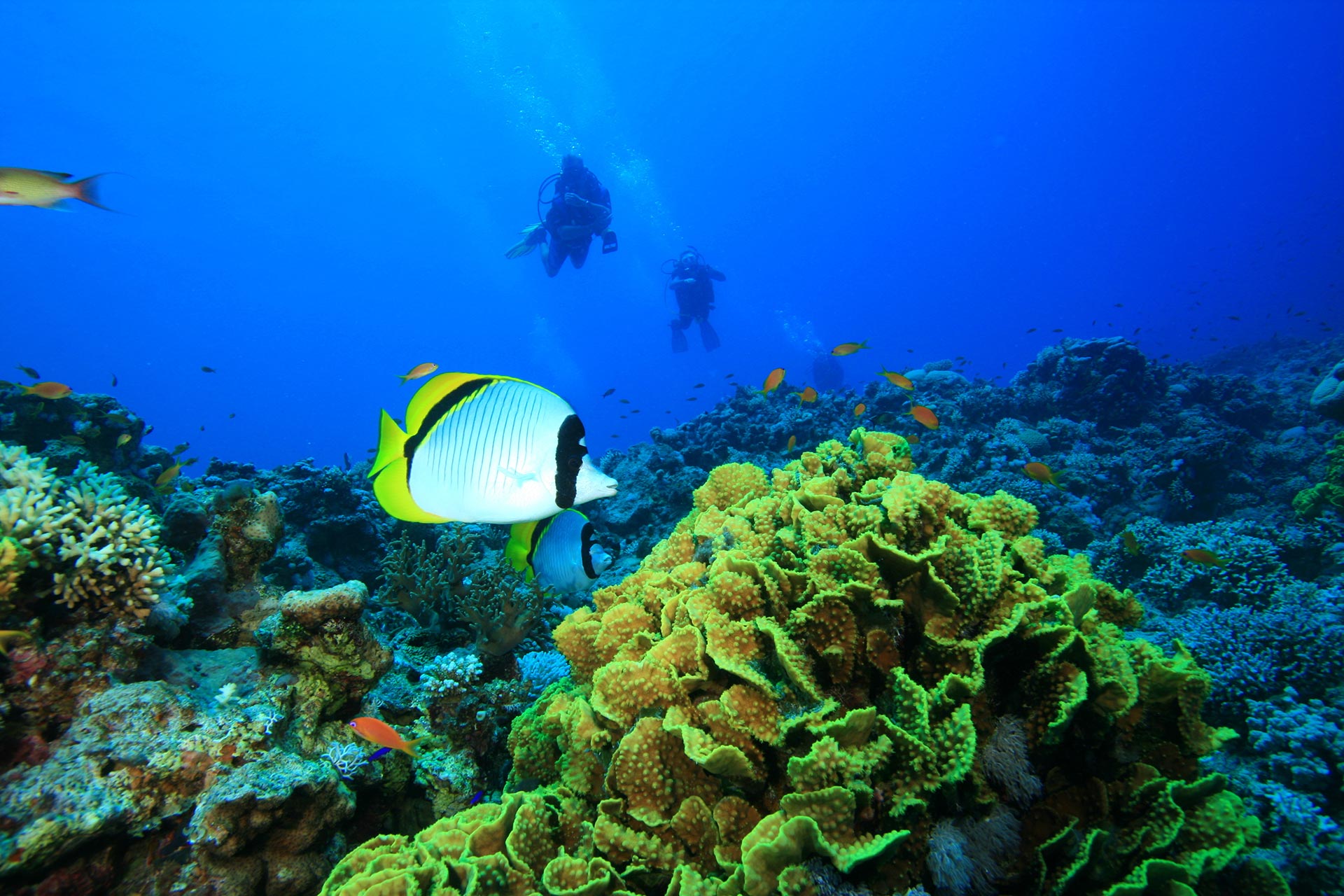 The channel between Coiba Island and the surrounding smaller islands creates a natural funnel for strong currents that makes Canal de Afuera one of the most exciting drift dives in the region. Divers drop in at one end and let the current carry them along dramatic underwater walls, over coral gardens, and past cleaning stations where rays and large reef fish pause to be serviced by smaller cleaner wrasse.
The pace of a drift dive here removes the effort from the experience-you move through the water effortlessly, covering ground and encountering species that would take much longer to find on a stationary dive. Intermediate and advanced divers with drift diving experience will find Canal de Afuera one of the most memorable dives in Panama.
- Depth: 10-30 metres
- Visibility: 15-25m
- Level: Intermediate to advanced (drift dive)
- Highlights: Wall diving, cleaning stations, eagle rays, large grouper
Isla Coiba Reefs – Varied Diving for All Levels
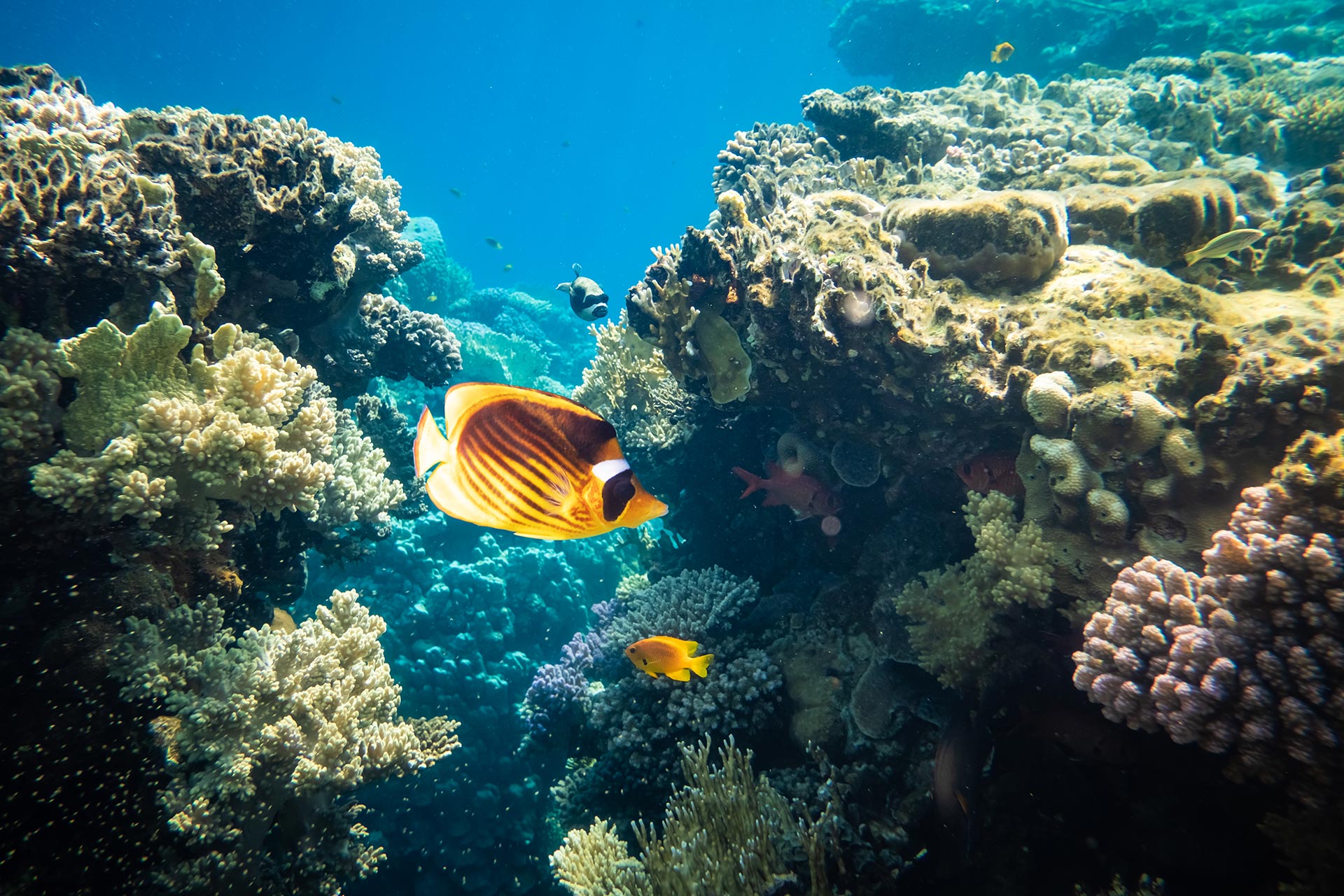 The waters immediately surrounding Coiba Island offer multiple dive sites that vary significantly in depth, character, and difficulty. Shallow reef sites on the island’s protected western side are ideal for beginners and for second or third dives later in the day. Deeper sites along the island’s outer edges offer dramatic volcanic rock formations, drop-offs, and the chance to encounter larger species in open water.
Many full-day dive excursions from Santa Catalina include two or three dives across different sites around Isla Coiba, giving divers a broad sample of what the park offers in a single trip.
Whale Shark Diving at Coiba: When and Where
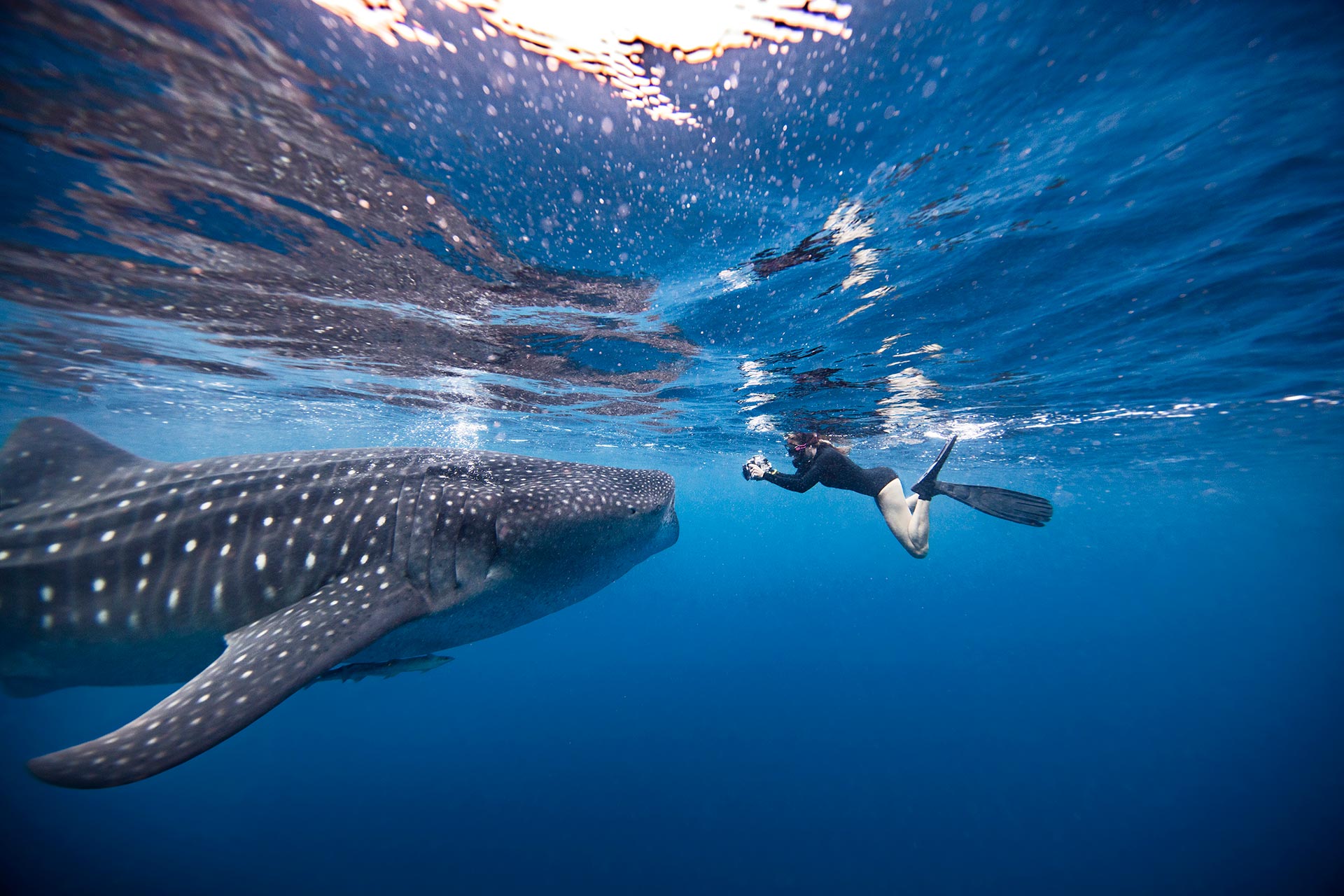 One of the most searched-for diving experiences in Panama is the chance to dive with whale sharks at Coiba National Park-and Santa Catalina is the closest and most practical base for making it happen.
Whale sharks are present in the waters around Coiba primarily between July and October, drawn by the seasonal plankton blooms that peak during the green season. Sightings are concentrated around seamounts and outer reef edges, particularly at Bajo Piñon and the deeper sites on Coiba’s southern edge. While no encounter is ever guaranteed, whale shark sightings during this window are frequent enough that experienced dive operators in Santa Catalina specifically schedule whale shark dives during peak season.
Encounters typically occur in the 5-20 metre range as whale sharks feed near the surface or patrol the upper water column. Most are between 5 and 10 metres in length. Divers should follow standard large-animal protocols: maintain distance, avoid touching, and let the animal set the pace of the encounter.
- Season: July-October (peak August-September)
- Best sites: Bajo Piñon, outer Coiba reefs
- Typical depth: 5-20 metres
- Typical size: 5-10 metres
- Book dedicated whale shark dives in advance during peak season
Dive Site Quick Reference
| Site | Depth | Level | Top Sightings | Best Season |
|---|---|---|---|---|
| Granito de Oro | 3-18m | All levels | Sea turtles, reef sharks, eagle rays | Dry season (clearest visibility) |
| Bajo Piñon | 15-35m | Advanced | Hammerheads, mantas, whale sharks | Year-round; whale sharks Jul-Oct |
| Canal de Afuera | 10-30m | Intermediate-Advanced | Drift walls, rays, large grouper | Year-round |
| Isla Coiba Reefs | 5-25m | All levels | Reef fish, turtles, varied macro | Year-round |
Beginner vs Advanced Diving in Santa Catalina
Santa Catalina caters to divers at every experience level, but it’s worth understanding which sites and experiences suit which diver before you book.
Beginner Divers & First-Time Experiences
If you’ve never dived before or hold an Open Water certification with limited logged dives, Granito de Oro and the shallower reef sites around Isla Coiba are ideal starting points. These sites offer calm conditions, good visibility, and abundant marine life without demanding strong current management or deep-water comfort.
Discover Scuba Diving experiences-where a dive instructor guides uncertified participants through a short pool or shallow-water session before a supervised reef dive-are available through local dive shops and offer a safe, enjoyable introduction to the underwater world of Coiba.
Intermediate & Advanced Divers
Certified divers with 20 or more logged dives and comfort in open-water conditions will find Santa Catalina dramatically rewarding. Bajo Piñon and Canal de Afuera both require solid buoyancy control and drift diving experience, and the payoff-hammerhead schools, manta encounters, whale sharks in season-is exceptional.
Advanced Open Water certification or equivalent is recommended for Bajo Piñon. Dive operators will assess your certification and experience before assigning you to advanced sites-this is standard practice and worth embracing rather than working around.
PADI & SSI Certification Courses in Santa Catalina
Santa Catalina’s dive shops offer a full range of PADI and SSI certification courses, from beginner Open Water through to Advanced Open Water, Rescue Diver, and specialty certifications including Deep Diver and Drift Diver-both of which are directly relevant to the best dive sites in the area.
Learning to dive in Santa Catalina has a particular appeal: your certification dives take place in some of the most biodiverse waters in Central America rather than a quarry or a pool. By the time you complete your Open Water course, you will already have logged dives at sites that experienced divers travel specifically to visit.
If you’re planning to take a course, the dry season (December-April) offers the calmest conditions and best visibility for training dives. Allow at least 3-4 days for an Open Water course, or 5-6 days if you want to complete Advanced Open Water during the same trip.
- Open Water (PADI/SSI): 3-4 days, no prior experience required
- Advanced Open Water: 2 days, requires Open Water certification
- Rescue Diver: 2-3 days, requires Advanced OW and first aid certification
- Drift Diver specialty: highly recommended before diving Canal de Afuera
- Deep Diver specialty: recommended for Bajo Piñon and advanced sites
Dive & Stay Packages in Santa Catalina
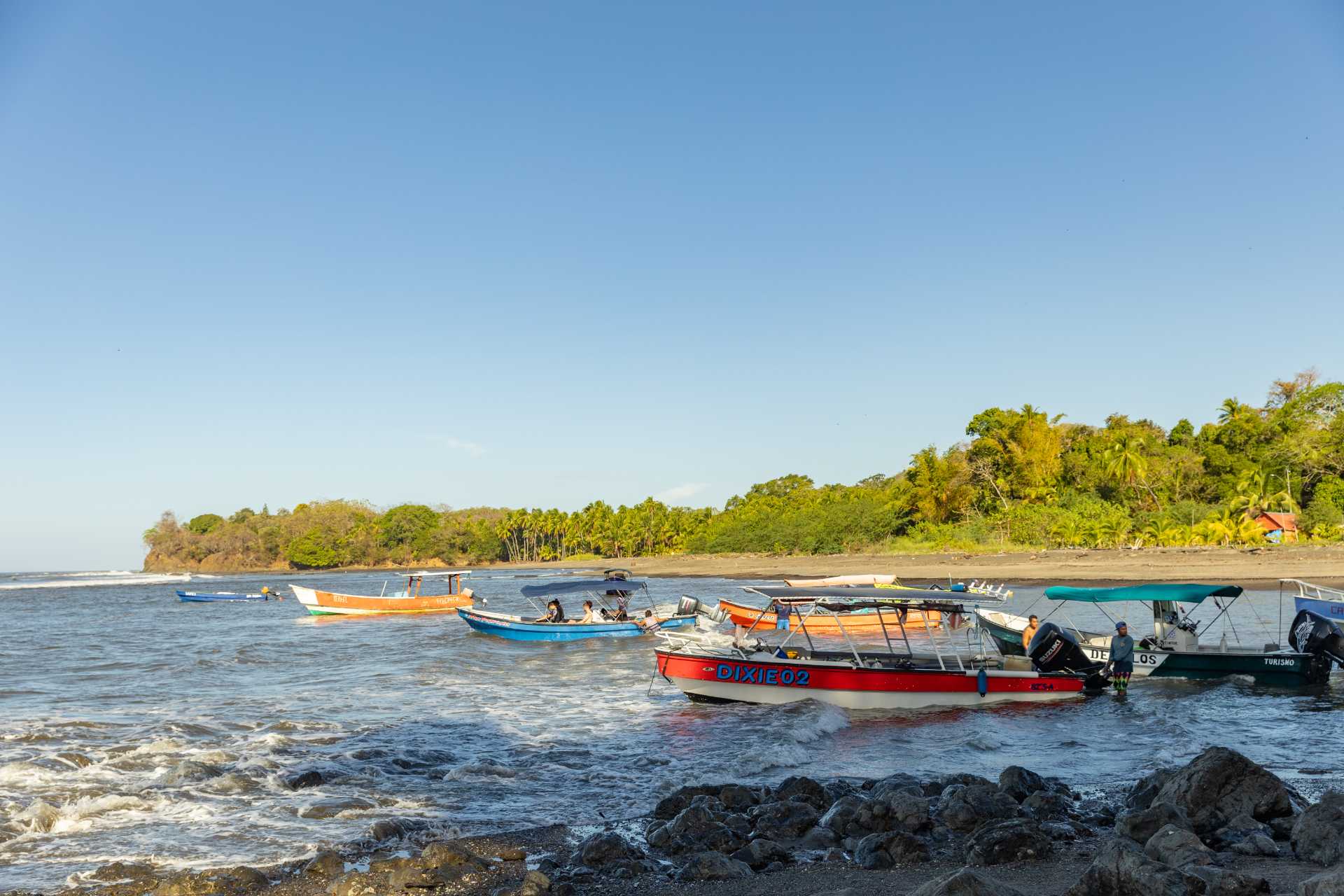 Many accommodations in Santa Catalina have partnerships with local dive operators, making it easy to put together a dive-and-stay package that handles logistics, equipment, and guiding in one booking. These packages typically include accommodation, daily boat dive excursions to Coiba, tanks and weights, and an experienced dive guide. Meals and equipment rental (wetsuit, BCD, regulator) may or may not be included depending on the operator.
For divers planning a dedicated dive trip, a package approach is almost always better value than booking each element separately-and it removes the coordination overhead so you can focus on the diving. The dive-and-stay format also tends to produce a tighter group of like-minded travelers, which adds to the overall experience.
Liveaboard options departing from Santa Catalina are also available for divers who want to maximise time at remote Coiba sites without returning to the village each evening. These typically run 3-5 days and allow access to more distant dive sites within the national park that are not reachable on a standard day trip.
Diving Conditions & Water Temperature
Santa Catalina is a year-round diving destination, with conditions varying meaningfully between seasons:
- Water temperature: 27°C-29°C (81°F-84°F) year-round – a 3mm shortie wetsuit is comfortable
- Dry season visibility (Dec-Apr): 20-30 metres at most sites
- Green season visibility (May-Nov): 15-25 metres – slightly reduced but more pelagic activity
- Currents: moderate at most sites; strong at Bajo Piñon and Canal de Afuera
- Boat ride to Coiba: 1.5-2 hours from Santa Catalina (calm in dry season; some swell in green season)
Essential Tips for Diving in Santa Catalina
- Book dive trips in advance during peak season (Dec-Apr and Jul-Oct whale shark season)
- Use reef-safe sunscreen only – standard sunscreen is harmful to Coiba’s coral
- Allow surface intervals of at least one hour between dives
- Stay hydrated – the tropical heat and boat travel dehydrate you faster than you expect
- Bring an underwater camera if you have one – the marine life at Coiba is worth photographing
- Be honest with your dive operator about your experience level-site assignments are made for your safety and enjoyment
Plan Your Scuba Diving Trip to Santa Catalina, Panama
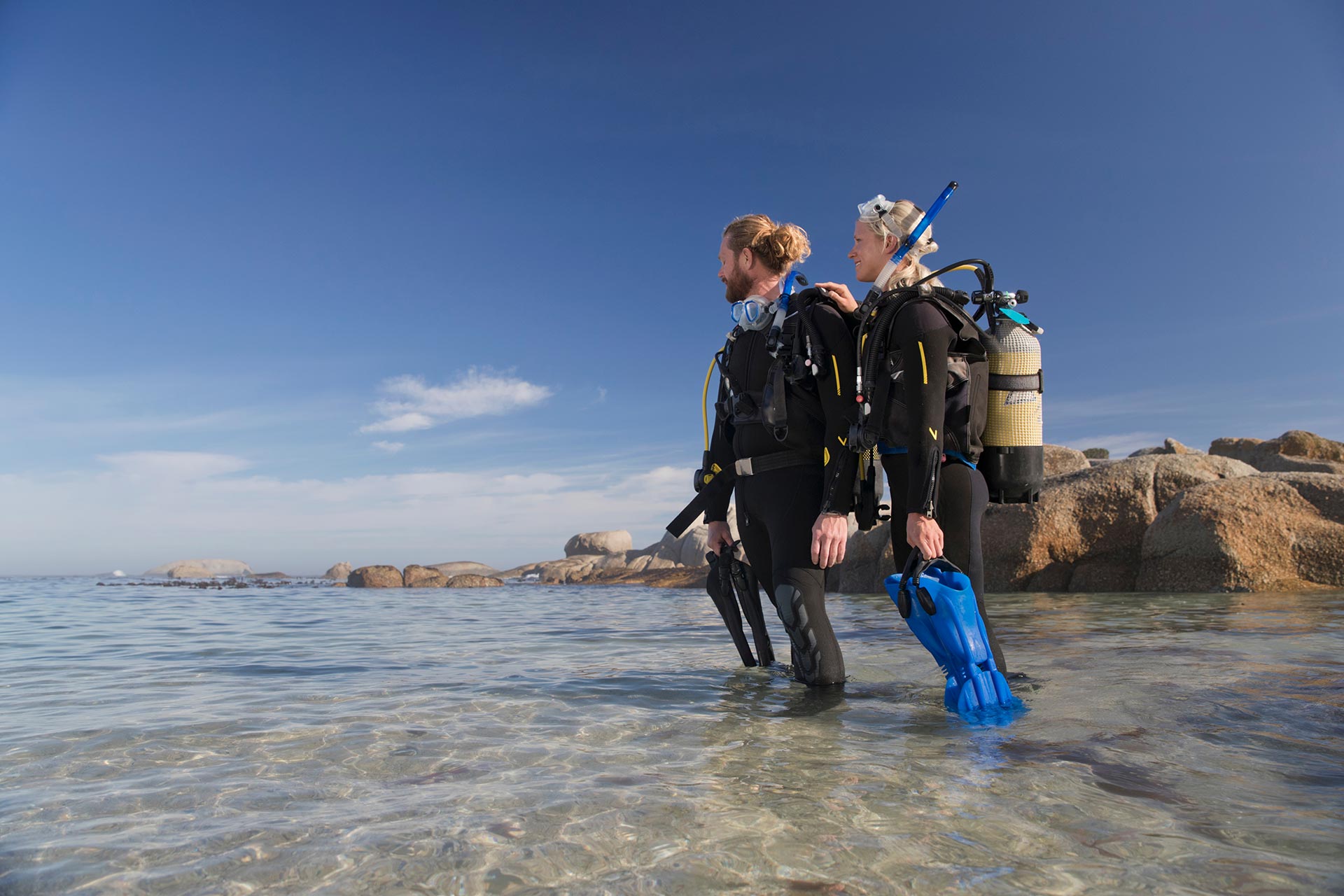 Whether you’re completing your first Open Water certification in world-class conditions, diving with hammerhead sharks at Bajo Piñon, or timing your trip to coincide with whale shark season at Coiba, scuba diving in Santa Catalina delivers an underwater experience that belongs in the same conversation as the Galápagos, the Maldives, and the Red Sea-at a fraction of the crowds.
Start planning your dive trip today and experience firsthand why divers from around the world are quietly making Santa Catalina, Panama one of their most talked-about destinations.