Coiba National Park, Panama
The Ultimate Travel Guide from Santa Catalina – Diving, Snorkeling, Wildlife & More
One of the Last Wild Places in Central America
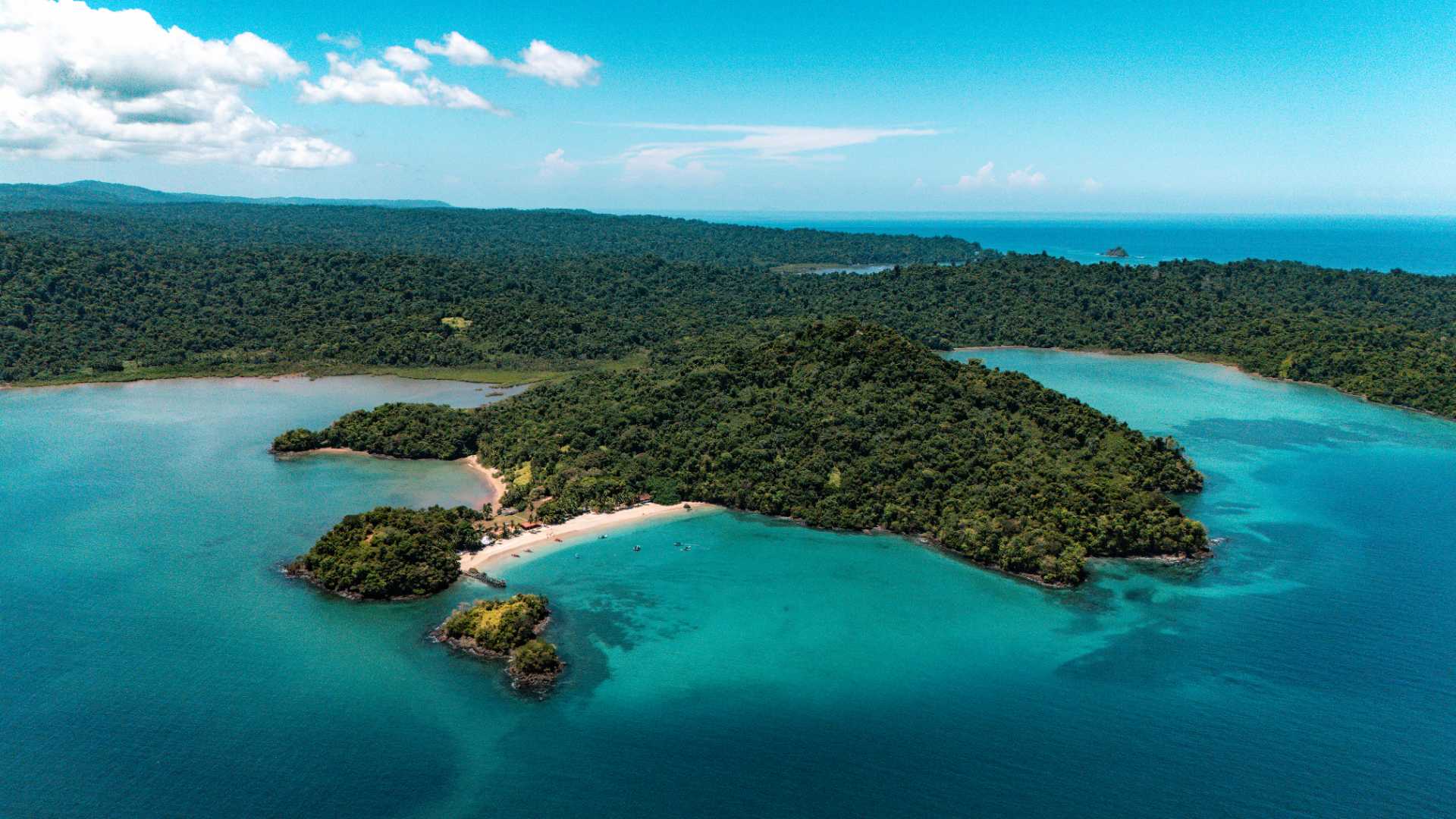 Coiba National Park is one of those destinations that consistently exceeds expectations. A UNESCO World Heritage Site since 2005, the park protects Coiba Island-the largest island in Central America at approximately 503 km²-along with 38 surrounding islands and the nutrient-rich waters of the Gulf of Chiriquí that connect them. The result is a marine and terrestrial ecosystem of extraordinary richness, largely intact in a way that has become genuinely rare anywhere in the world.
 For travelers based in Santa Catalina, Coiba is the defining experience of the region. A boat ride of roughly 1.5 to 2 hours brings you to beaches, reefs, and rainforest that belong in the same conversation as the Galápagos Islands-with a fraction of the visitors, lower prices, and a sense of remoteness that feels increasingly hard to find.
Where Is Coiba National Park?
 Coiba National Park lies in the Gulf of Chiriquí, off the southwestern Pacific coast of Panama. The park is centred on Coiba Island-the largest island in Central America-and encompasses 38 smaller surrounding islands, extensive coral reefs, and open-water marine habitat covering a total protected area of approximately 270,125 hectares.
The closest mainland access point is Santa Catalina, a small fishing village on the Veraguas coast. Daily boat tours depart from Santa Catalina to Coiba, making it the natural base for any visit to the park. The journey takes approximately 1.5 to 2 hours depending on sea conditions and the destination within the park.
Why Coiba Is Compared to the Galápagos Islands
 The Galápagos comparison is made often-and it holds up for specific reasons. Like the Galápagos, Coiba’s relative isolation over decades meant that development, fishing pressure, and human disturbance were strictly limited while the rest of the Pacific coastline experienced significant ecological change. The result is a marine ecosystem in near-pristine condition: healthy coral reefs, large and stable fish populations, and a density of pelagic species-whale sharks, hammerhead sharks, manta rays-that divers travel from around the world to encounter.
 Where Coiba differs from the Galápagos is in its accessibility and its lack of crowds. You don’t need a week-long liveaboard itinerary or a heavily regulated permit process to experience it. A day trip from Santa Catalina is enough to visit Granito de Oro, dive with sharks, snorkel over pristine reef, and walk on a beach where no one else is standing. That combination-world-class biodiversity without the infrastructure-is genuinely rare.
Top Things to Do in Coiba National Park
1. Snorkeling at Granito de Oro
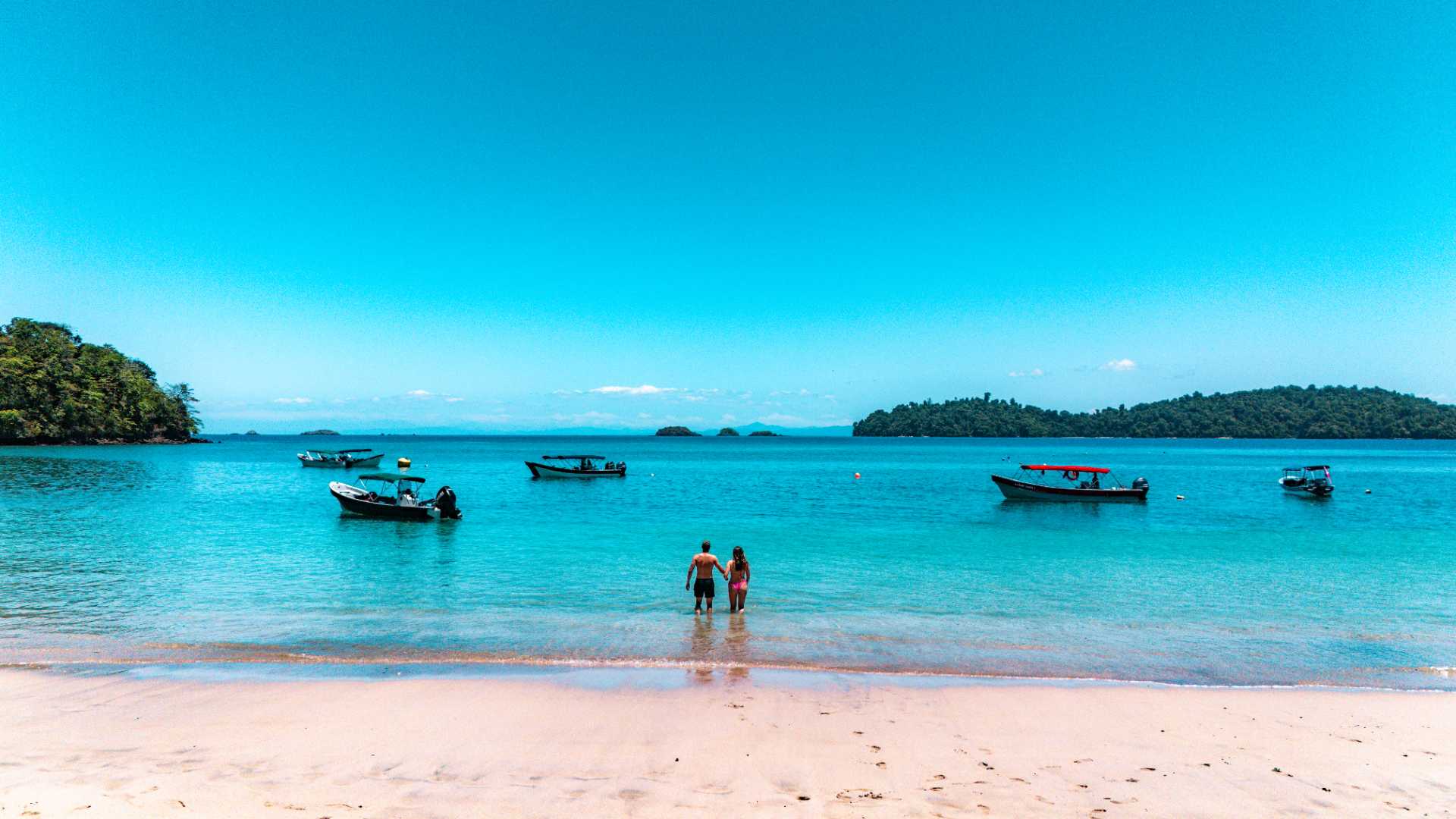
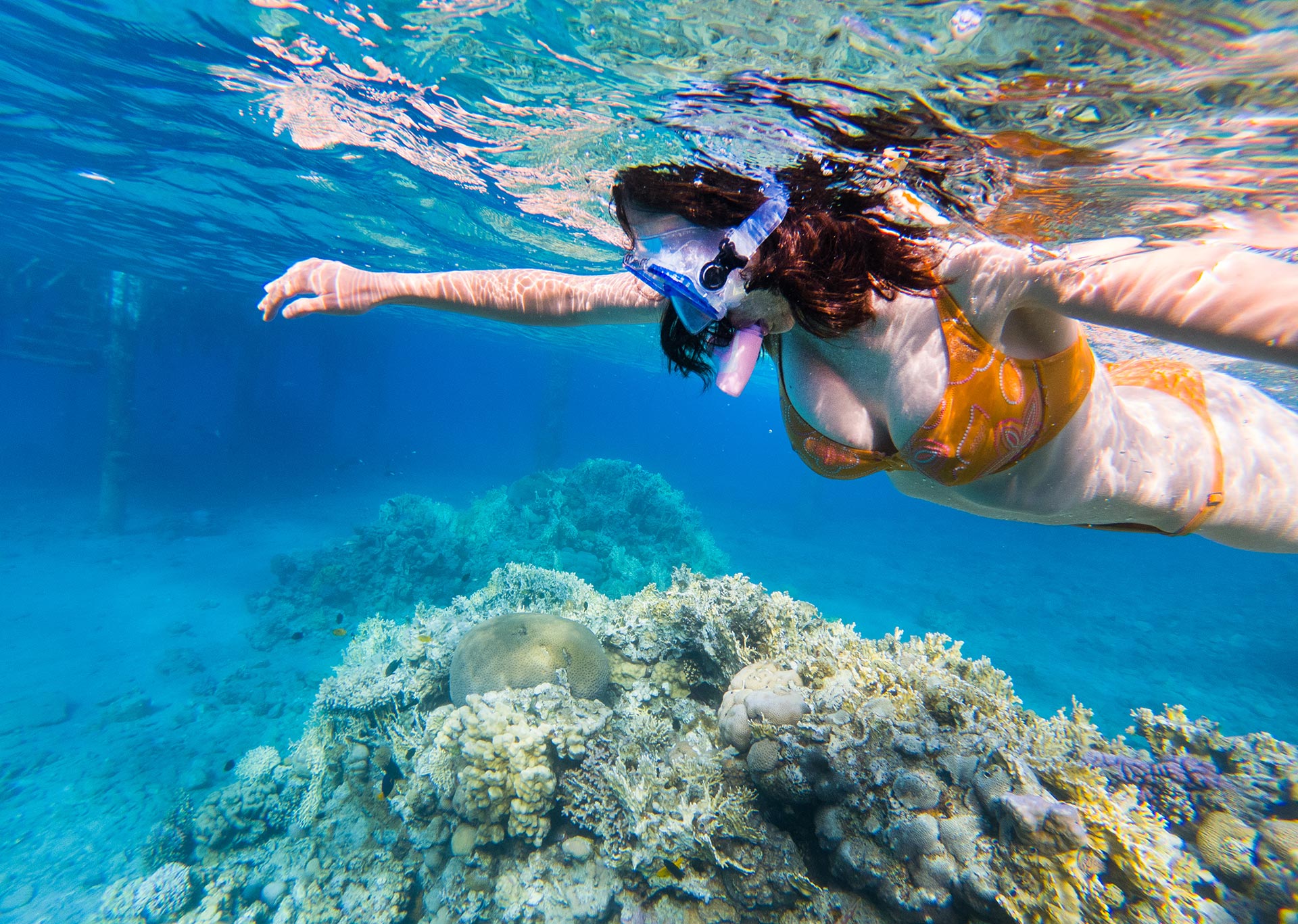 Granito de Oro-a tiny, uninhabited island surrounded by a vivid fringing reef-is the most visited and most photographed spot in Coiba National Park, and for good reason. Above the water it is postcard-perfect: powdery white sand, turquoise shallows, and not a building in sight. Below the surface, the reef is dense with colourful fish, resting sea turtles, patrolling whitetip reef sharks, and the kind of visibility-regularly 20 metres or more in the dry season-that makes snorkeling here feel like swimming through an aquarium.
 Depths in the snorkeling area range from 1 to around 8 metres, making it accessible to swimmers of most abilities including families with children. The reef is in excellent condition and receives good coral coverage across a variety of species. It is unambiguously the best snorkeling spot on Panama’s Pacific coast and one of the finest in Central America.
- Visibility: 15-25 metres (best in dry season, Dec-Apr)
- Depth: 1-8 metres for snorkeling; dive sites nearby go to 18 metres
- Highlights: sea turtles, whitetip reef sharks, eagle rays, dense reef fish
- Access: included in most day tours from Santa Catalina
2. Scuba Diving at Bajo Piñon and Beyond
 For certified divers, Coiba National Park offers some of the most compelling diving in the Eastern Pacific. Bajo Piñon-a submerged seamount rising from deep water-is the signature advanced dive site, famous for schools of scalloped hammerhead sharks that circle in the blue water beyond the reef edge at 20 to 35 metres. Encounters with dozens of hammerheads on a single dive are not unusual during peak season.
Canal de Afuera offers exceptional drift diving along underwater walls, while the reef sites around Isla Coiba itself cater to all experience levels with varied coral formations, cleaning stations, and reliably high marine life density. Whale sharks, manta rays, dolphins, and large schools of jacks and barracuda are encountered regularly across the park’s dive sites.
3. Whale Watching (July-October)
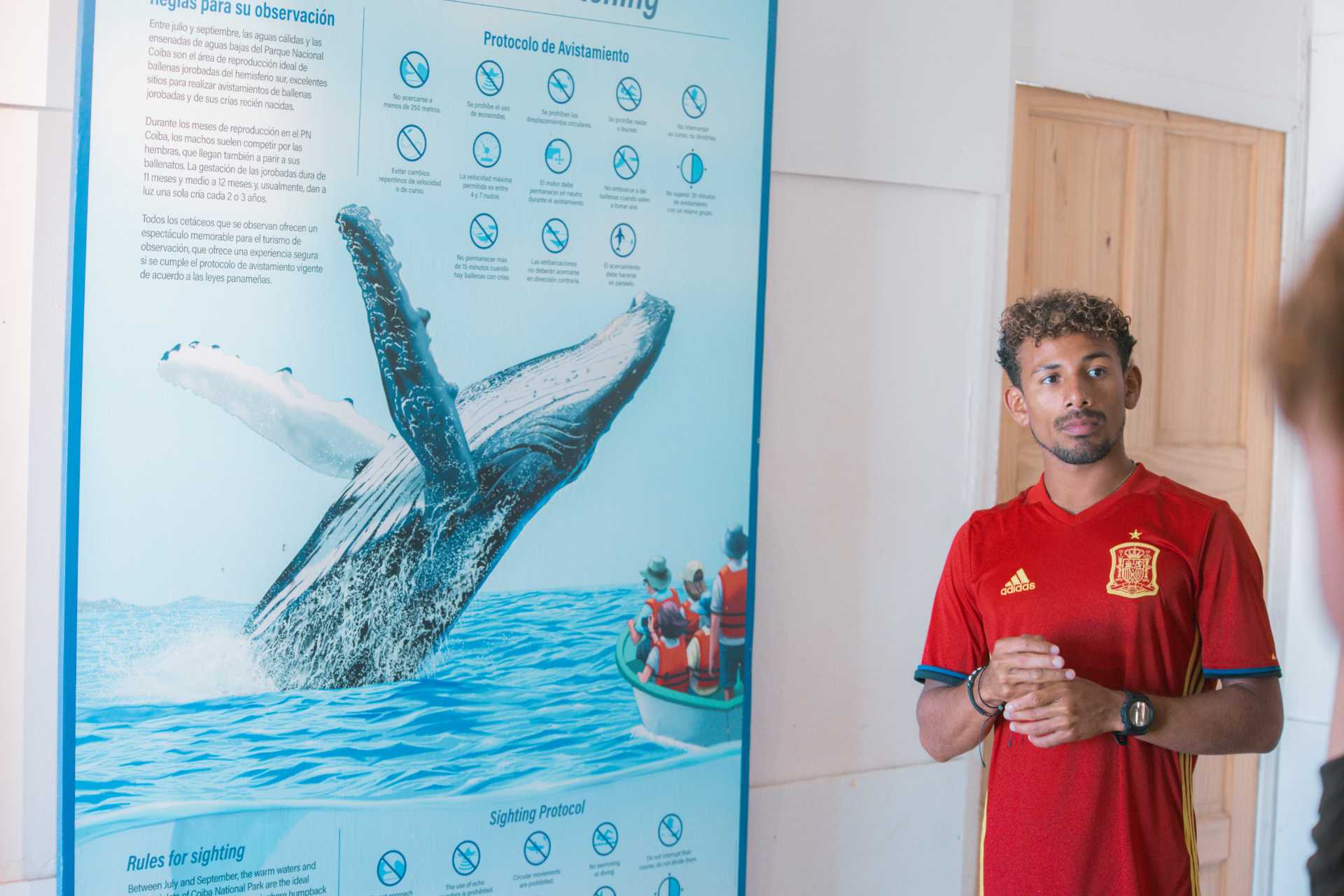
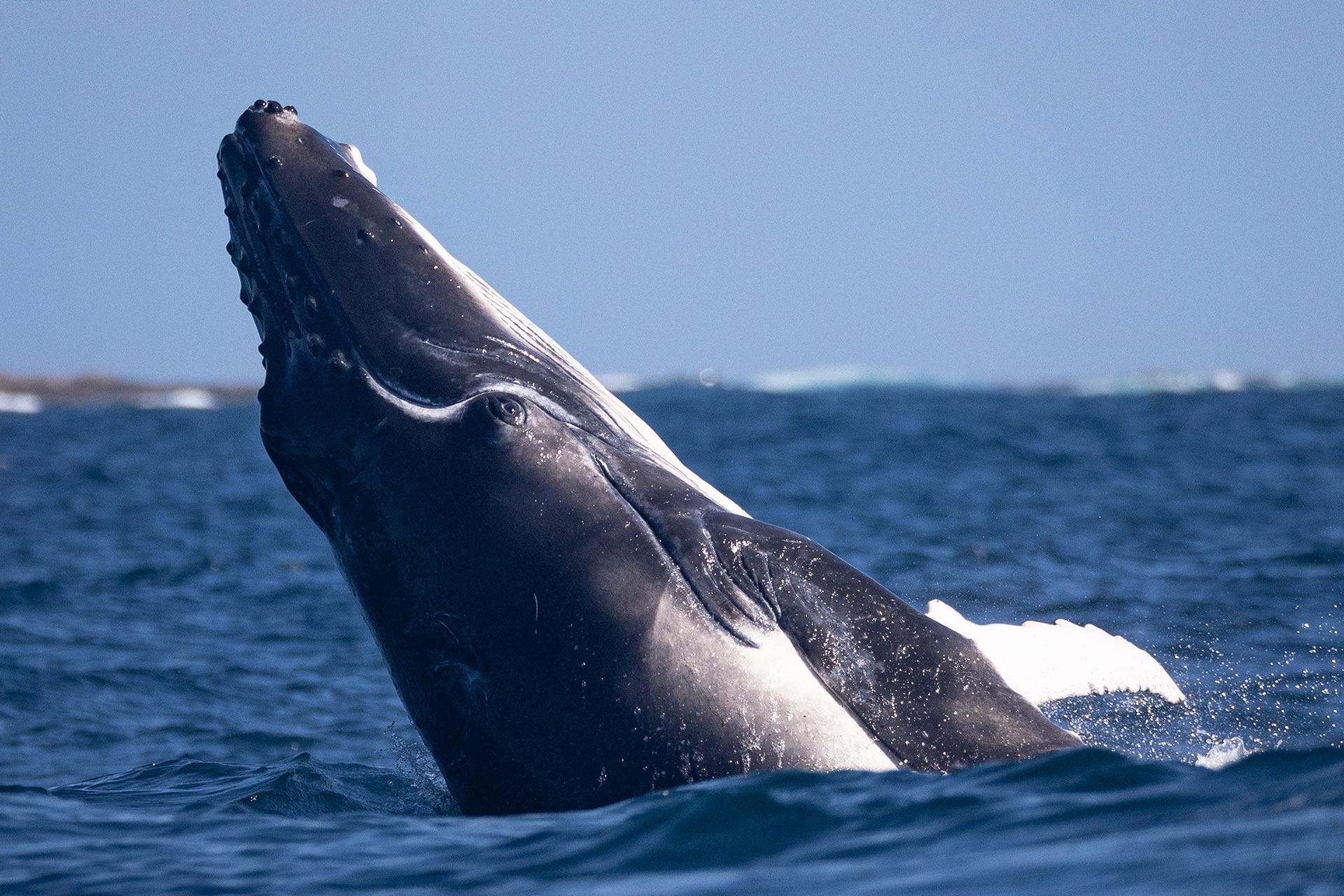 Between July and October, humpback whales from the Southern Hemisphere migrate through the Gulf of Chiriquí to breed and calve in the warm, protected waters around Coiba. This is one of the most accessible whale watching windows in Central America-sightings on boat trips to and from the park are common during peak season, and dedicated whale watching excursions can be arranged from Santa Catalina.
Whale sharks are also present in the park during this window (July-October), drawn by seasonal plankton blooms. The simultaneous presence of humpback whales and whale sharks in the same waters during August and September makes this arguably the richest season for large marine wildlife encounters anywhere in Panama.
- Humpback whale season: July-October (peak August-September)
- Whale shark season: July-October
- Both species most frequently sighted around Bajo Piñon and outer Coiba reefs
- Sightings on transit to/from the park are common during peak months
4. Wildlife Watching on Land
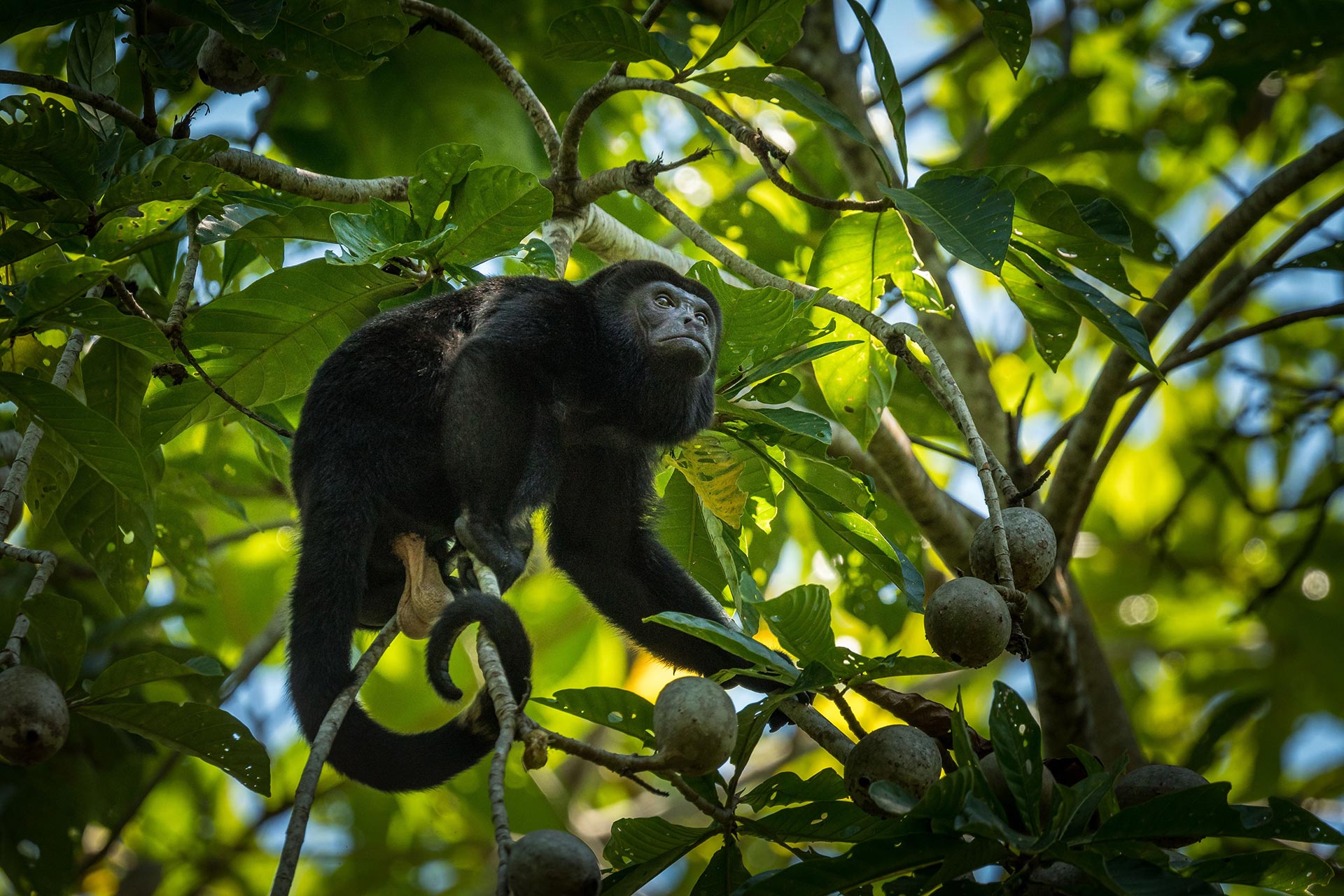 Coiba Island’s interior is covered in dense tropical rainforest that has been effectively undisturbed for decades. Guided hikes through the park reveal wildlife at a density and tameness that surprises most visitors-animals here have had little reason to fear humans, and the result is encounters at close range with species that are far more elusive elsewhere.
The Coiba howler monkey-a subspecies endemic to the island-is one of the most commonly encountered residents, often heard before it is seen from the forest canopy. White-faced capuchins, agoutis, and iguanas are similarly abundant. For birdwatchers, Coiba Island is home to the Coiba spinetail-a small bird found nowhere else on Earth-alongside scarlet macaws, frigatebirds, brown boobies, and dozens of other species.
- Coiba howler monkey – endemic subspecies, frequently spotted on guided hikes
- White-faced capuchins and agoutis – common and relatively approachable
- Coiba spinetail – endemic bird, found nowhere else on Earth
- Scarlet macaws, frigatebirds, and brown boobies – regularly spotted
- Iguanas and marine iguanas around the shoreline
5. Relax on Pristine Beaches
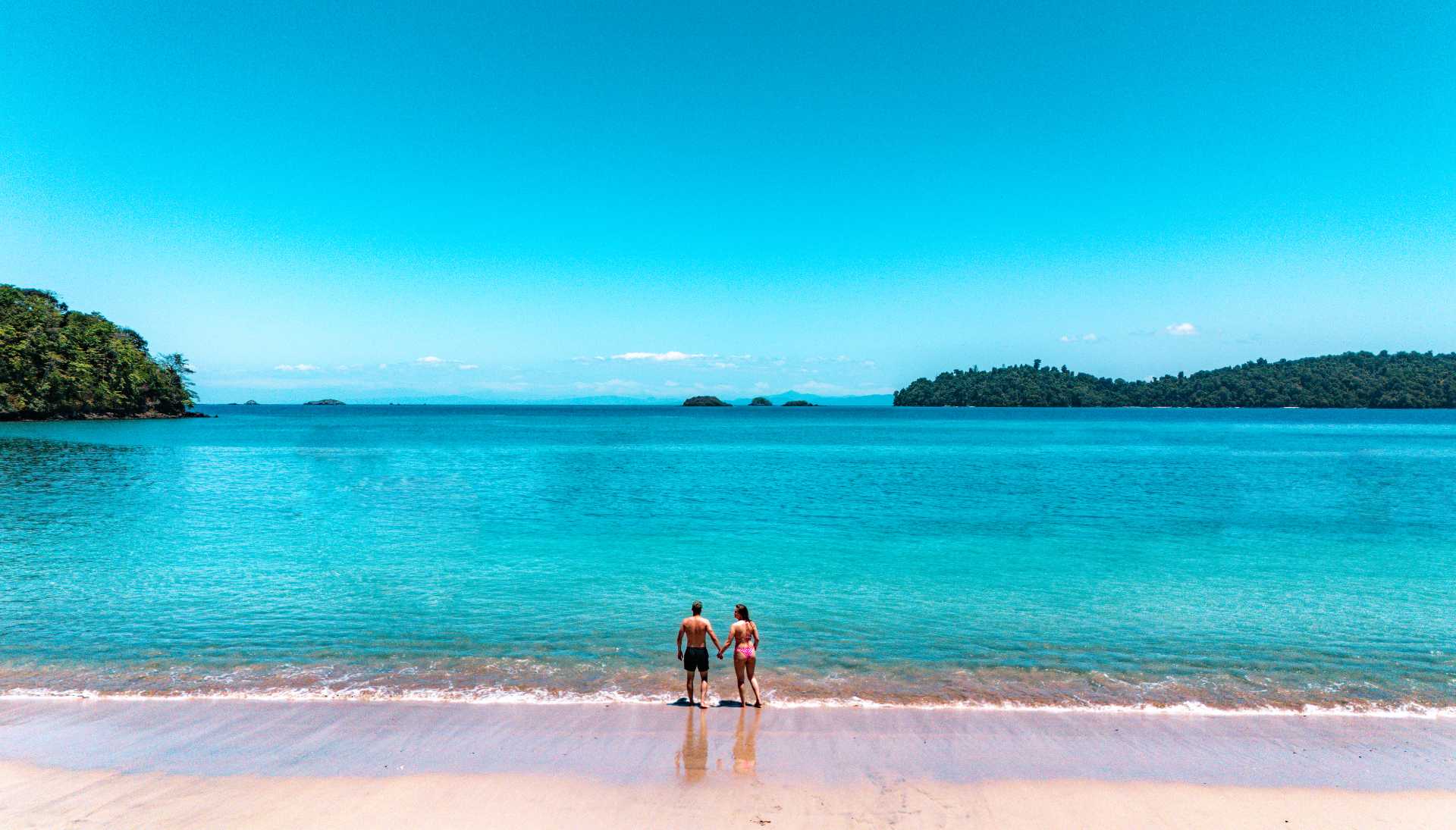 Some of the most beautiful beaches in Panama are found within Coiba National Park-and virtually all of them are deserted. Granito de Oro is the most visited and is included in most day tours, but Coiba Island and the surrounding smaller islands hold longer, wilder stretches of sand backed by jungle that see only occasional visitors.
Swimming, beach combing, and simply sitting in the shade with no one else around are experiences that have become increasingly rare at popular destinations. At Coiba, they remain the default.
6. Hiking Through Tropical Rainforest
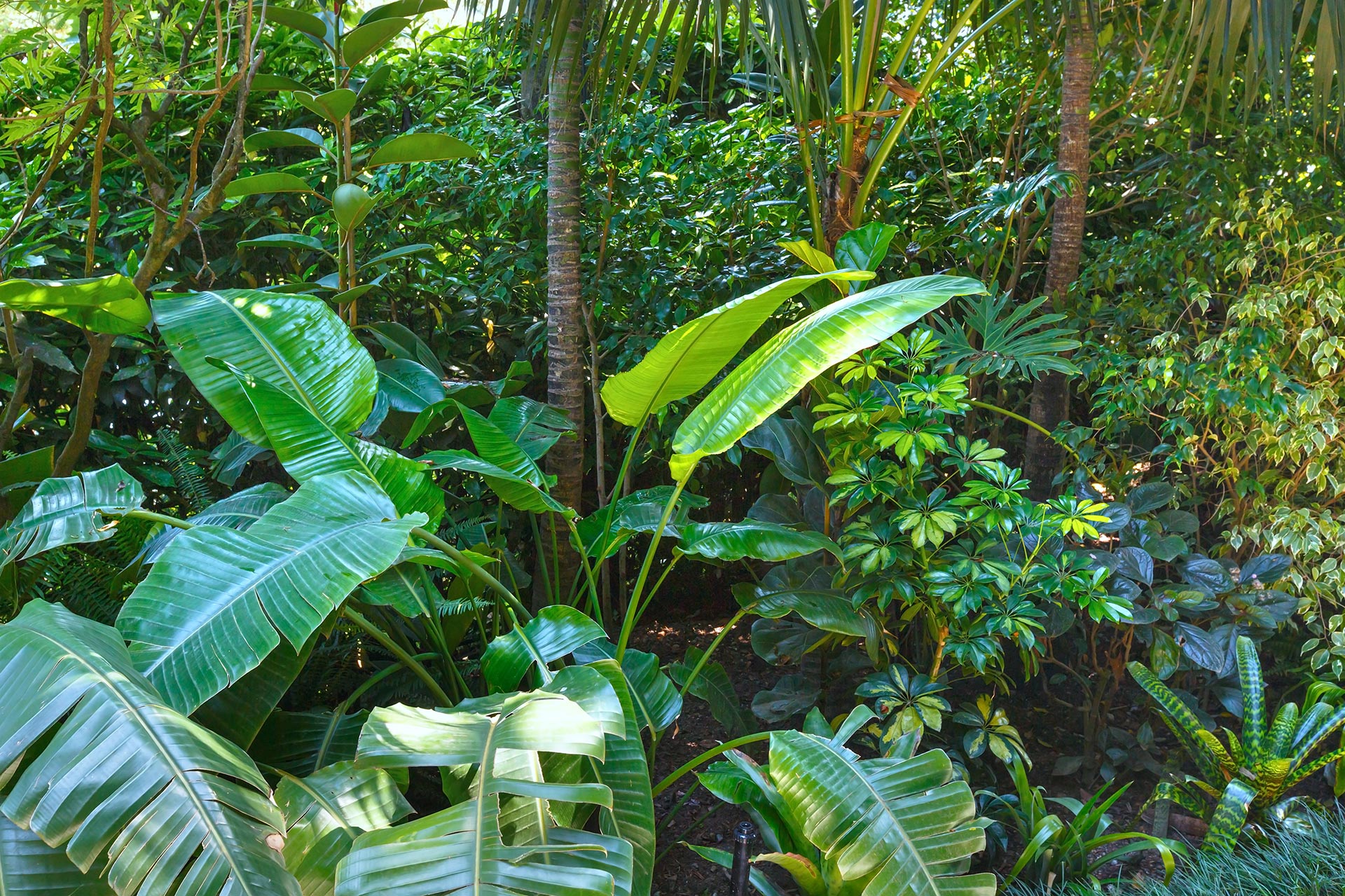 Guided hikes into Coiba Island’s interior are available through authorized operators and park rangers. Trails pass through primary rainforest with high canopy cover, crossing streams and emerging at viewpoints over the coast. Because the park is strictly protected, all hiking must be done with an authorized guide-a requirement that also significantly improves the quality of wildlife encounters, as experienced guides know exactly where and when to look.
The ANAM ranger station on Coiba Island serves as the starting point for most hikes and provides context on the park’s conservation history and current research programs.
The History of Coiba Island: From Prison to Protected Paradise
 The history of Coiba Island is one of the most remarkable stories in Central American conservation, and understanding it adds real depth to a visit.
In 1919, the Panamanian government established a penal colony on Coiba Island, using its remoteness and difficult currents to create a natural prison. For the next 85 years, the island housed some of Panama’s most serious offenders, and access was tightly controlled. Development was minimal-the prison facilities were concentrated in one area, and the rest of the island was left entirely undisturbed.
The penal colony closed in 2004, and the park received its UNESCO World Heritage designation the following year in 2005. The consequence of those eight decades of enforced isolation is an ecosystem in a condition that would have taken centuries of active conservation to achieve elsewhere. The forests are primary, the reefs are intact, and the wildlife populations are large and stable. Remnants of the old prison buildings can still be visited near the ranger station, offering a quietly striking reminder of how the island’s difficult past accidentally preserved something extraordinary.
Best Time to Visit Coiba National Park
Coiba is accessible and rewarding year-round, but the experience varies between seasons:
| Season | Dates | Conditions | Best For |
|---|---|---|---|
| Dry Season | December-April | Calm seas, 20-30m visibility, sunny days | Diving, snorkeling, families, photography |
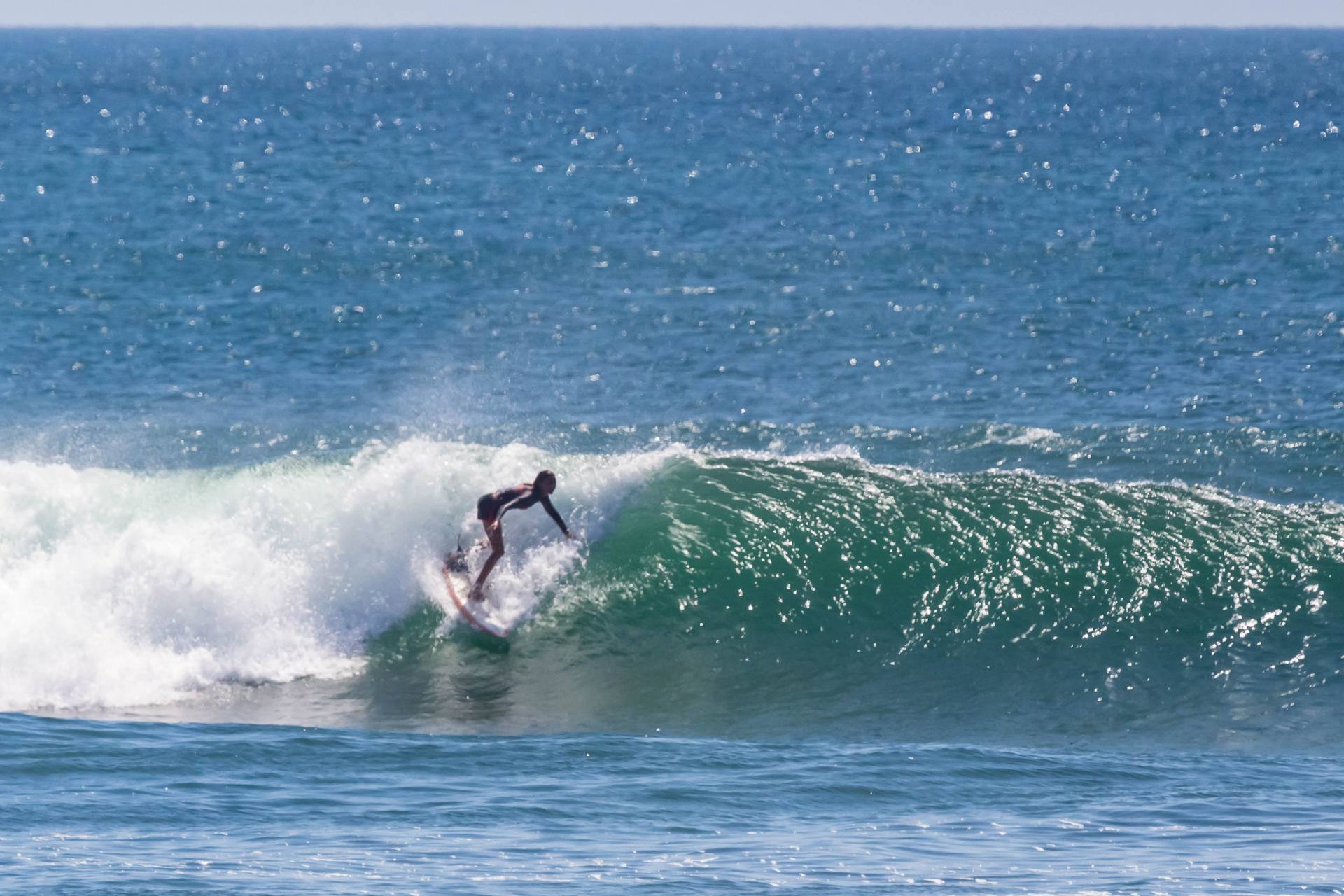
| Green Season | May-November | Some swell, 15-25m visibility, lush jungle | Whale sharks, humpbacks, surfing (Santa Catalina), fewer crowds |
| Peak Wildlife Window | August-October | Whale sharks + humpbacks both present | Large marine wildlife encounters, serious divers |
How to Get to Coiba National Park
Step 1: Get to Santa Catalina
Santa Catalina is the main gateway to Coiba and is reached from Panama City by car, private shuttle, or public bus. The journey takes approximately 5 to 6 hours by road. Many accommodations in Santa Catalina can arrange transfers or point you toward reliable shuttle services.
Step 2: Join a Boat Tour from Santa Catalina
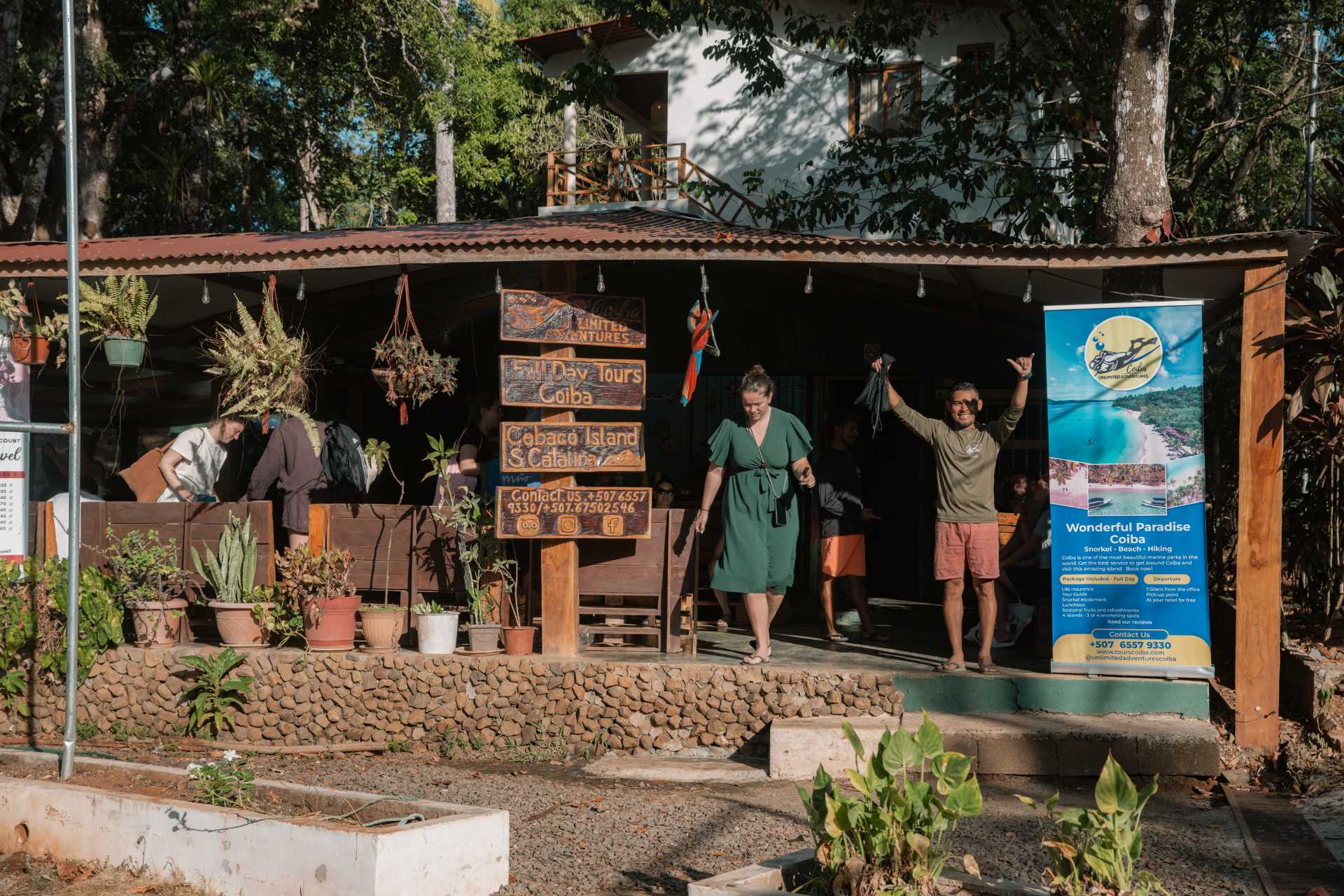
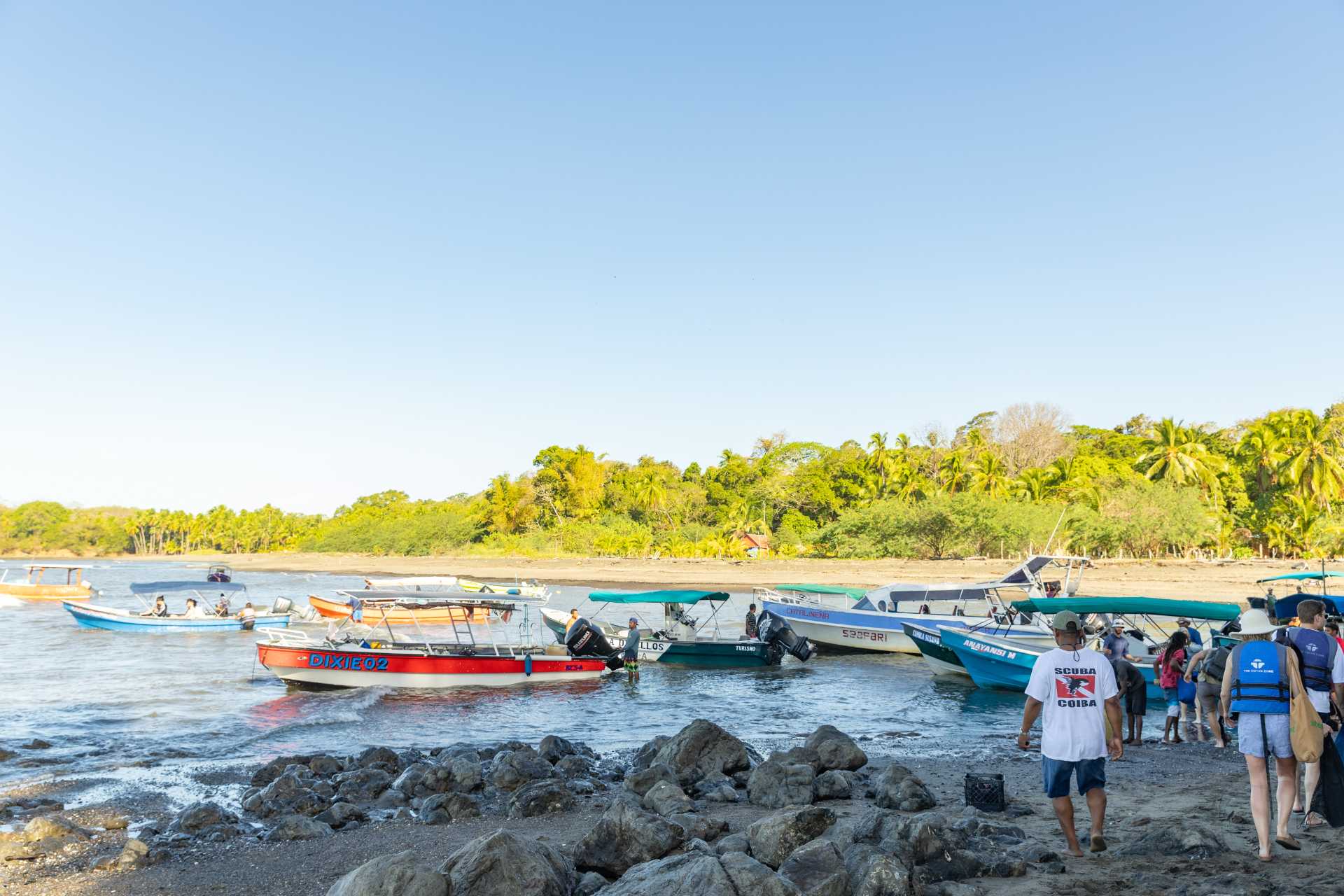 From Santa Catalina, visitors join organized day tours to Coiba National Park. The boat ride takes approximately 1.5 to 2 hours depending on conditions and the destination within the park. Tours typically include snorkeling at Granito de Oro, a beach stop, and guided activities-with dive excursions available as an upgrade or as a dedicated trip.
A park entrance permit issued by ANAM (Panama’s National Environmental Authority) is required to enter Coiba National Park. This is arranged through your tour operator and should be confirmed when booking.
Tips for Visiting Coiba National Park
- Book tours in advance, especially December-April and during whale shark season (July-October)
- Use reef-safe sunscreen only – standard sunscreen is actively harmful to Coiba’s coral reefs
- Bring cash – ATMs in Santa Catalina are limited
- Pack water, snacks, and a dry bag for the boat trip
- Wear a rash guard – even in warm water, a long day of snorkeling causes sunburn
- Confirm that your park entrance permit (ANAM) is included in your tour booking
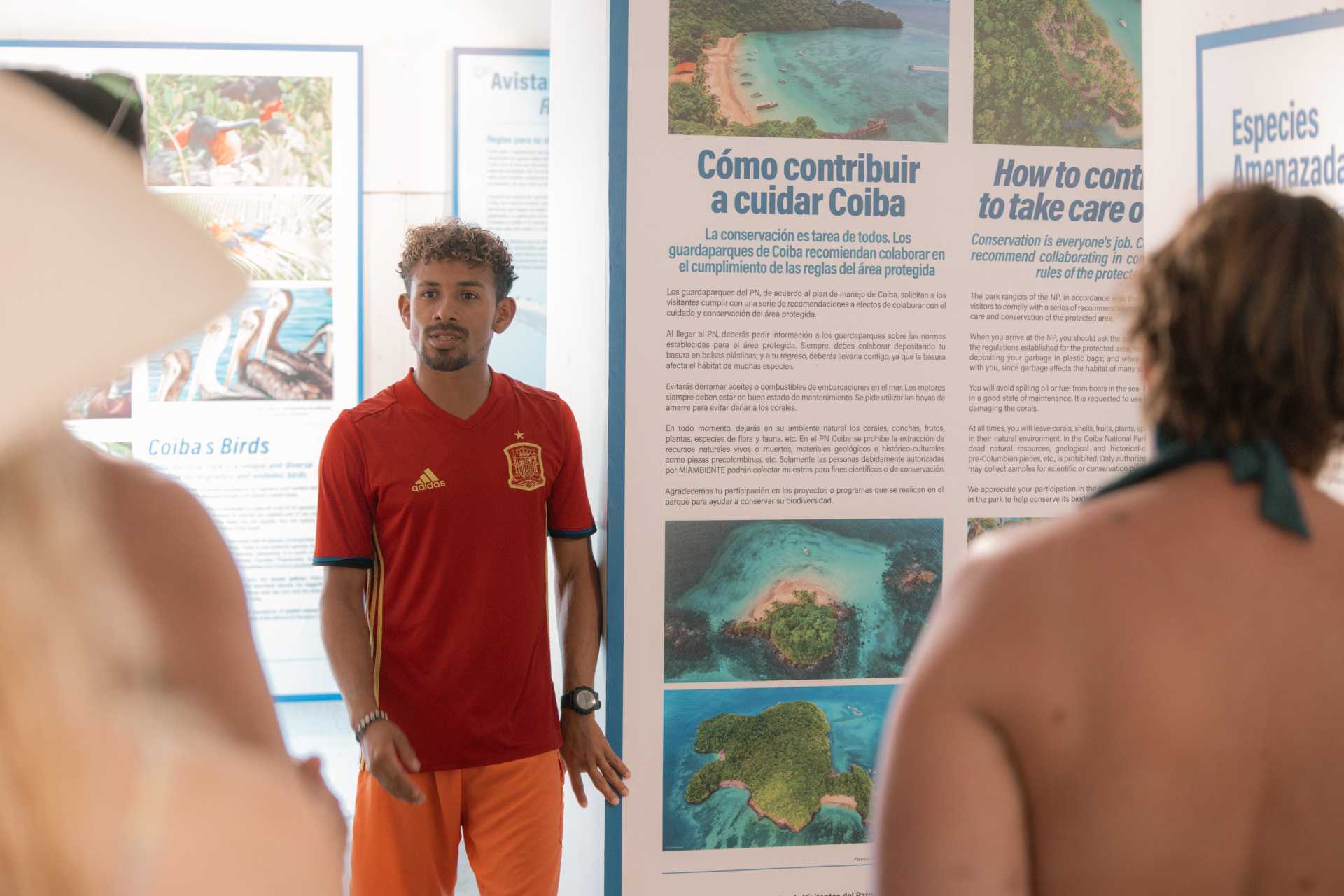
- Respect all park rules – no fishing, no touching marine life, no removing anything from the park
Start Planning Your Coiba National Park Adventure
Coiba National Park is one of those places that travel writers have been quietly calling a secret for years-though word is getting out. The combination of world-class diving, extraordinary marine wildlife, endemic land species, pristine beaches, and a conservation story unlike anywhere else in Central America makes it genuinely exceptional.
Pair your Coiba visit with a stay in Santa Catalina, and you have everything you need: a comfortable base, experienced local operators, great surf on your rest days, and fresh seafood to end every evening. It is, without question, one of the most rewarding travel experiences Panama has to offer.
Plan your trip today and discover what waits at the end of that two-hour boat ride across the Gulf of Chiriquí.